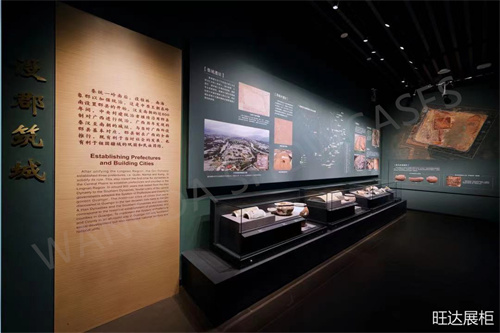
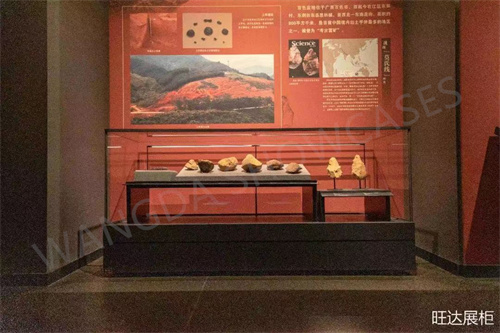
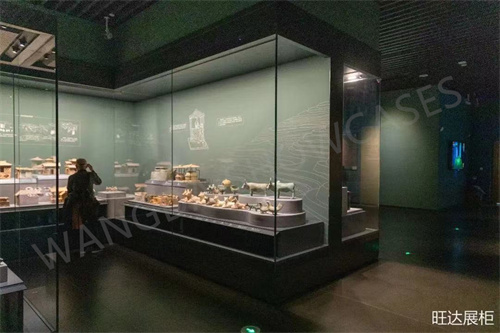
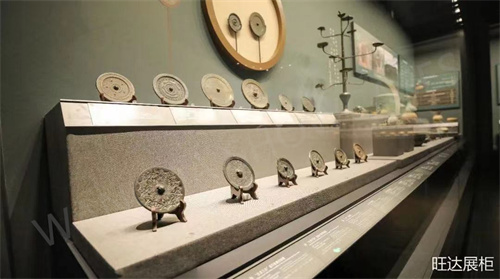
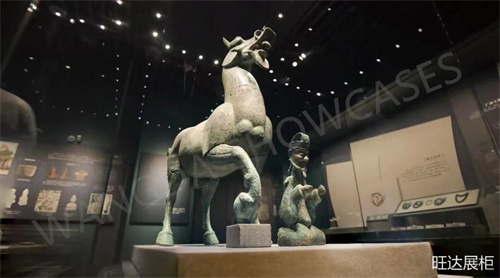
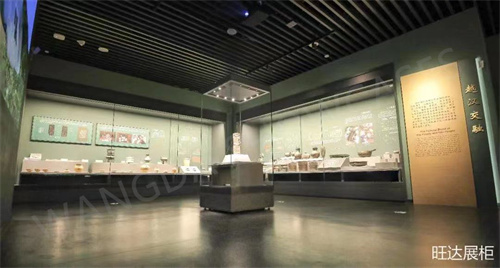
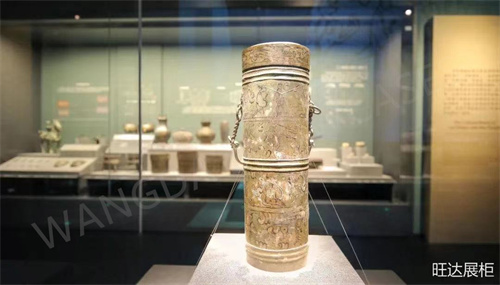
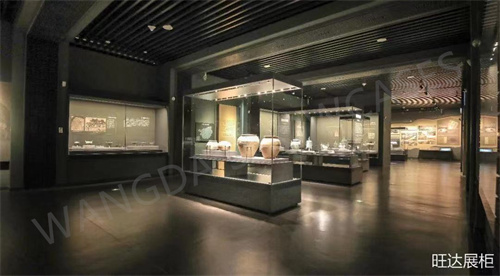
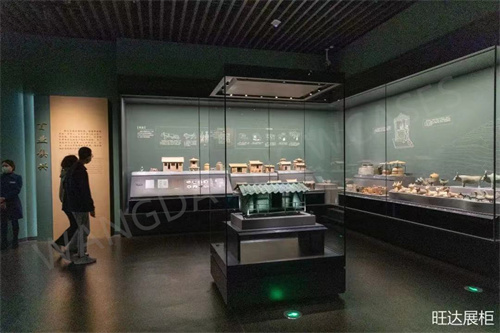
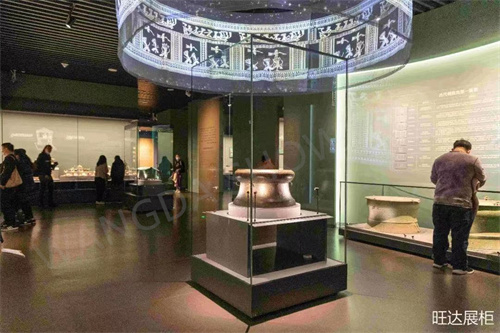
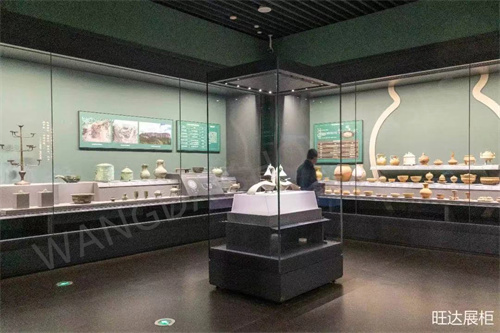
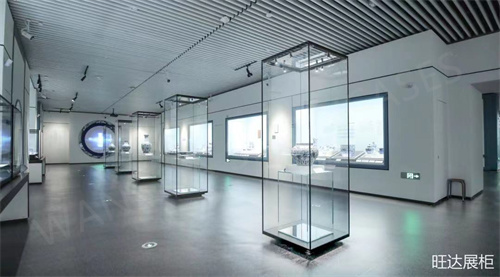
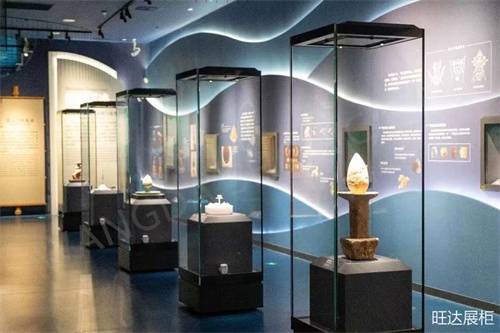
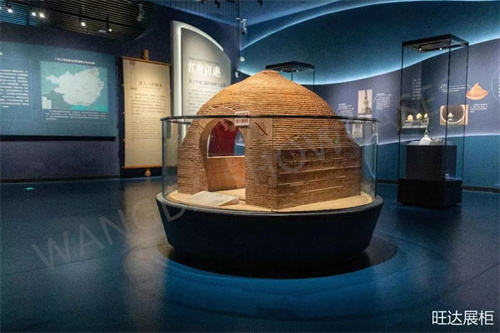
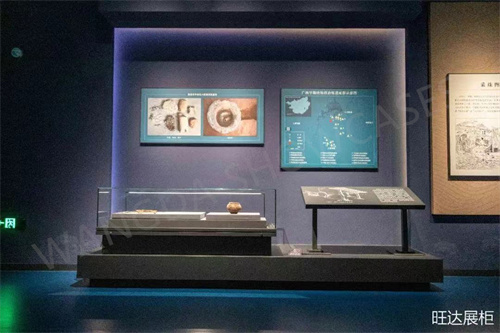
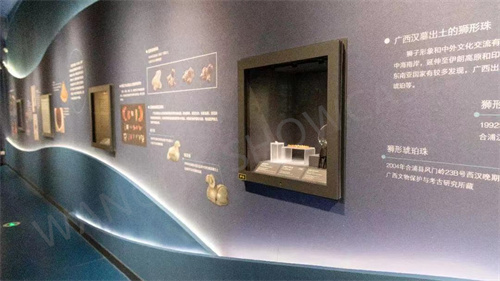
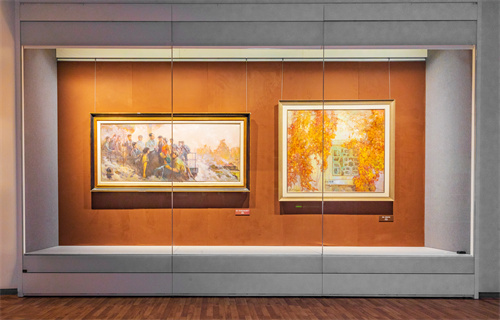
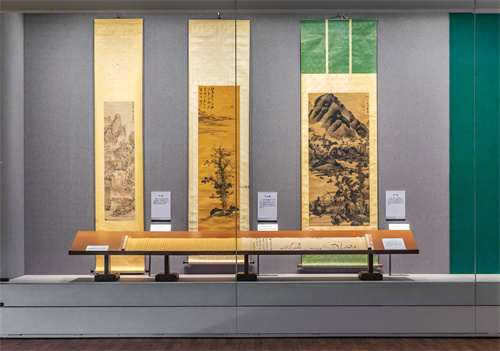
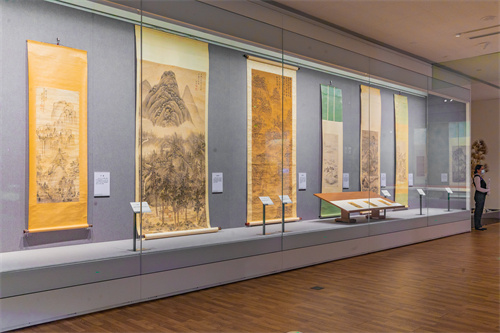
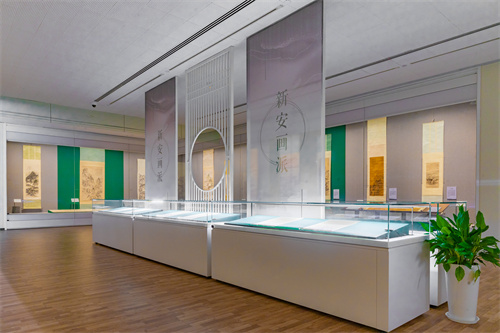
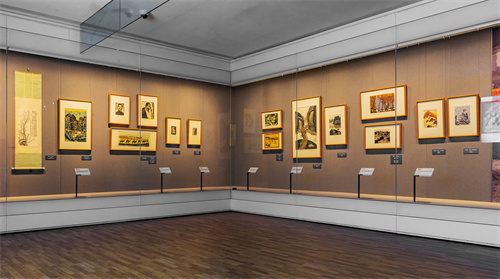
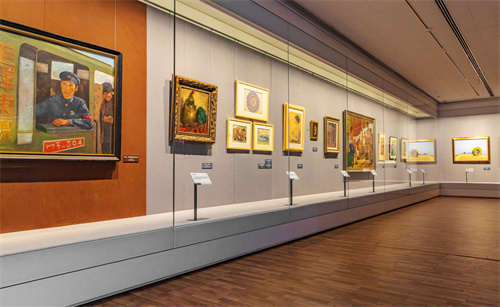
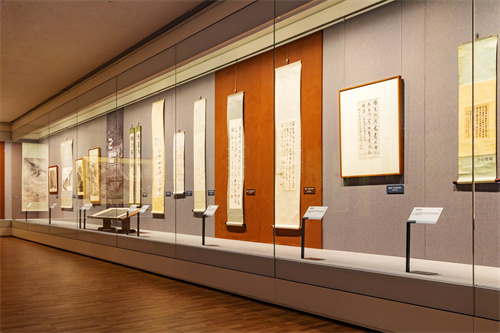
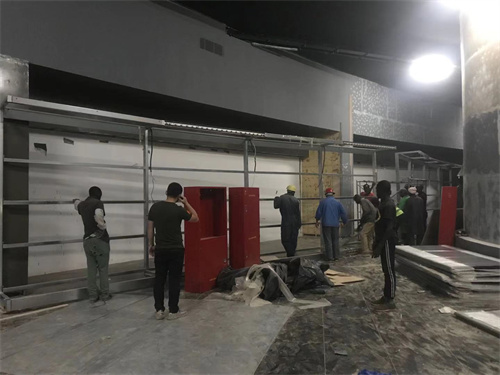
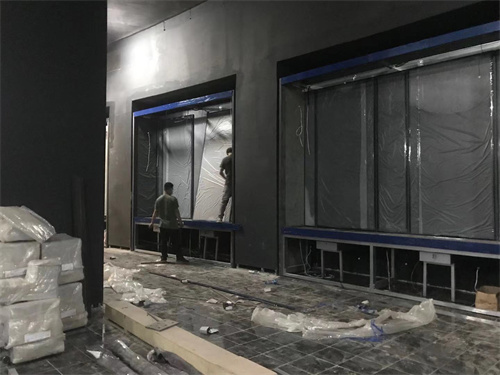
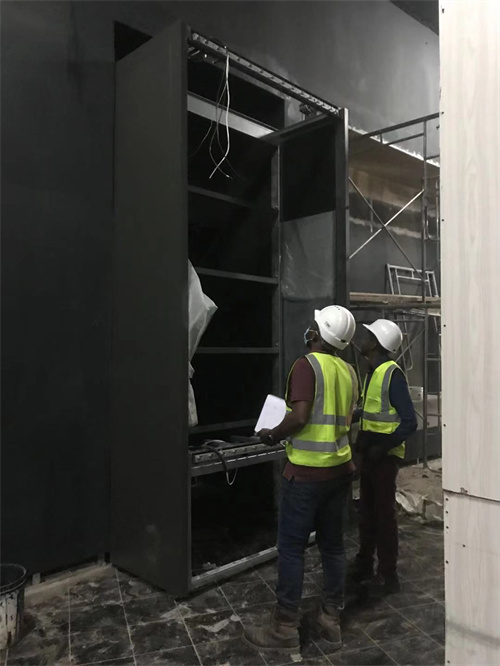
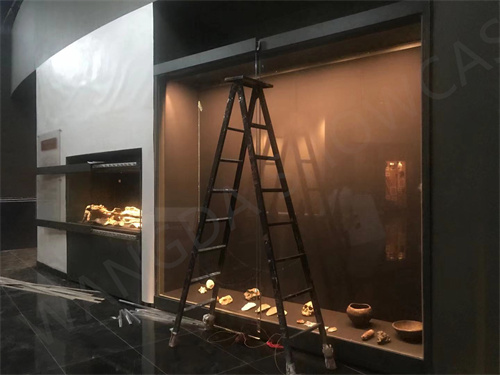
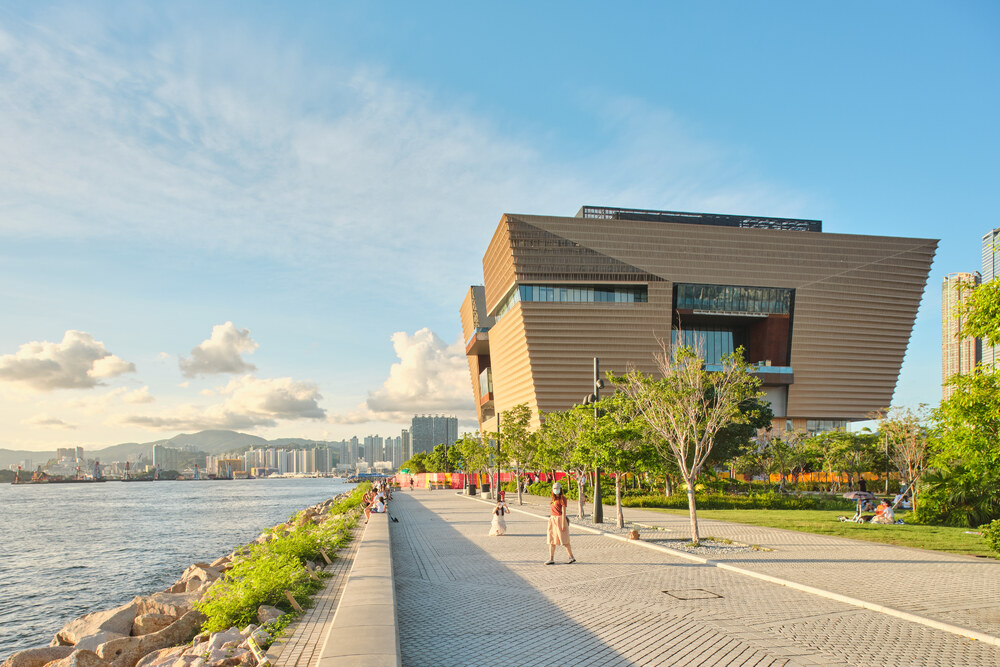
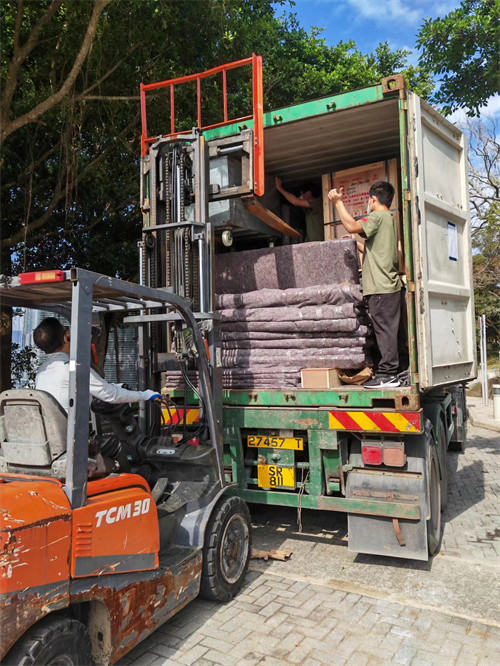
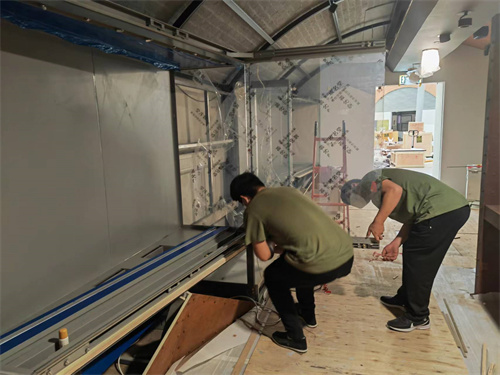
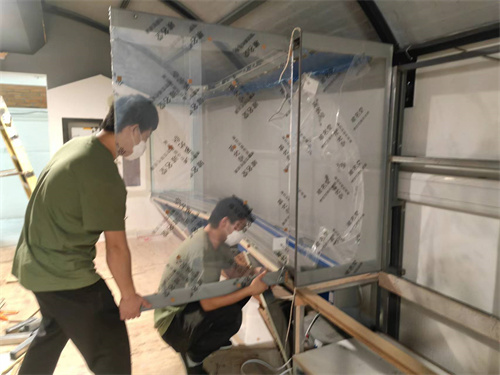
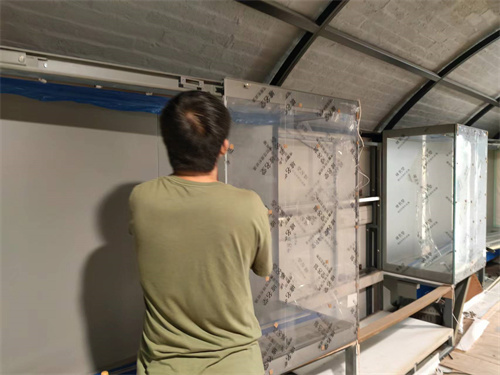
For the East of Shanghai Museum, numbers of special & curved museum display showcases that are customized by WANGDA SHOWCASES sufficiently embody the cutting-edge design, technology level and consummate craftsmanship from WANGDA SHOWCASES


For the East of Shanghai Museum, numbers of special & curved museum display showcases that are customized by WANGDA SHOWCASES sufficiently embody the cutting-edge design, technology level and consummate craftsmanship from WANGDA SHOWCASES


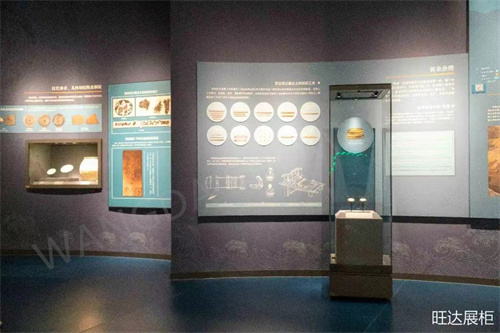
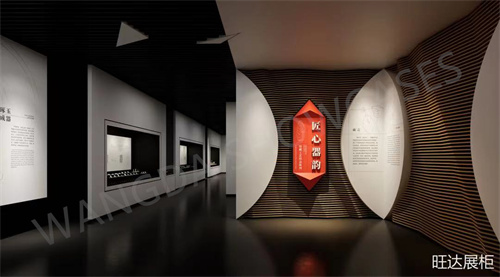
At the end of June in 2024, the East of the Shanghai Museum Opens to the public after 7 years construction. For this worldwide renowned museum project, WANGDA SHOWCASES customized high standard museum display showcases for 6 exhibiton halls: Ceramic Hall, Jade Hall, Imperial Seal Carving Hall, Hall of Ceramic-thematic Exhibtion titled “China and The World: Ceramics and Exchanges” , Hall of JiangNan Creation thematic Exhibtion, Experience Hall of Artific Conservation and Restoration.
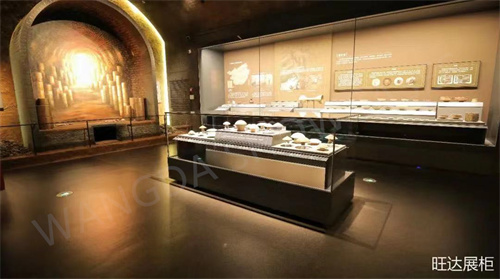
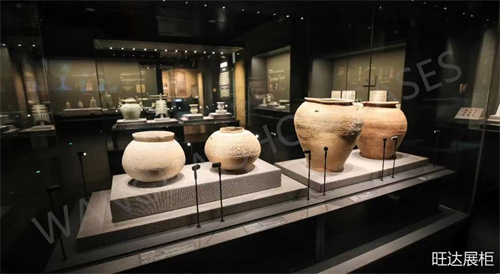
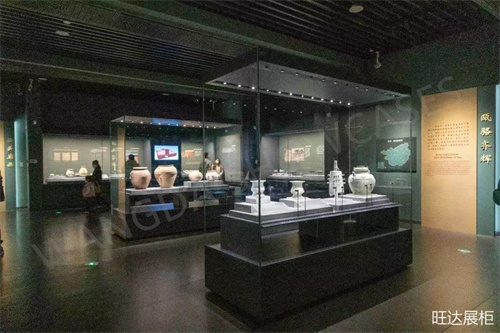
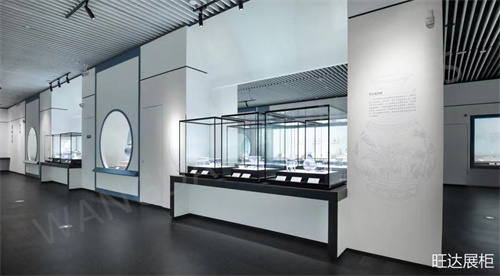
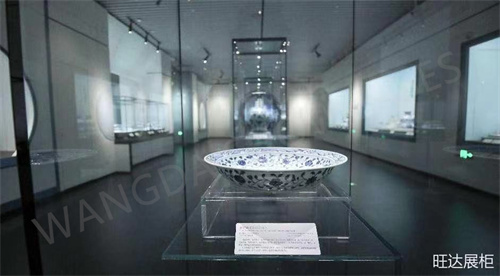
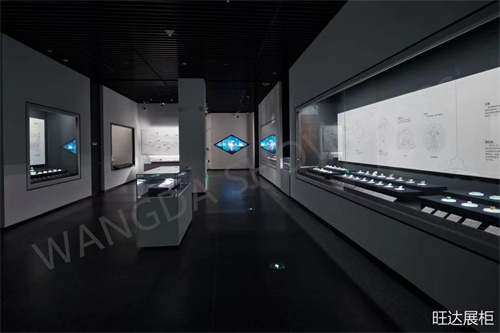
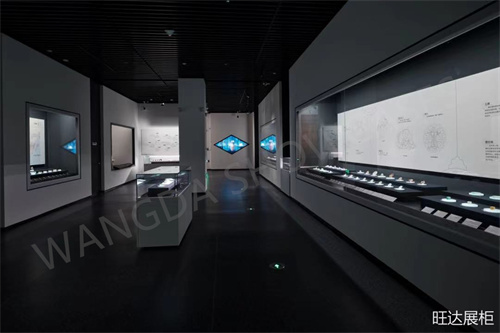
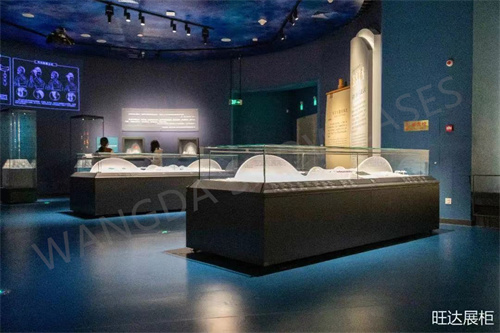
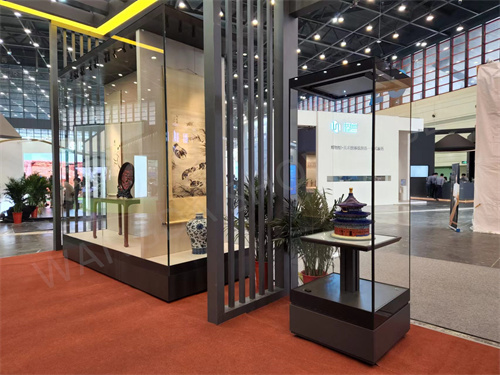
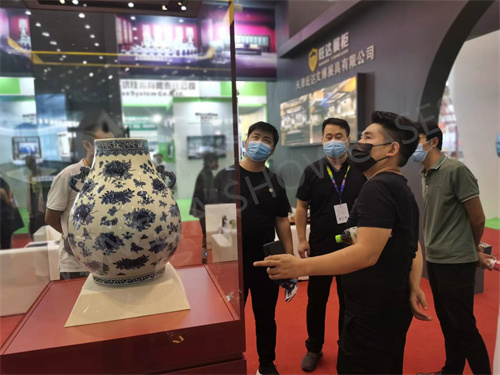
Covering 1800 square meters, the Ceramic Hall is located on the 3rd floor of the East of Shanghai Museum. 558 pieces/groups of representative ceramic collections are selected and 50% of the exhibits are displayed for the first time. In order to extremly highlight the ceramic exhibits themselves, the exteriors of museum display showcases are veneered with same marble as wall dressing to make the museum display showcases be integrated into the exhibition hall so as to have the visitors immerse in experiencing the elegance and exquisite painting of the exhibited ceramic colloections.
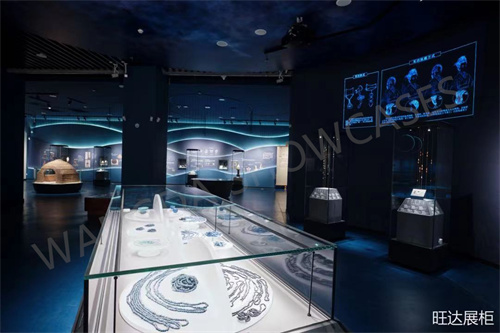


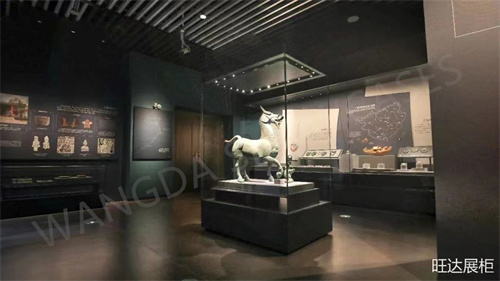
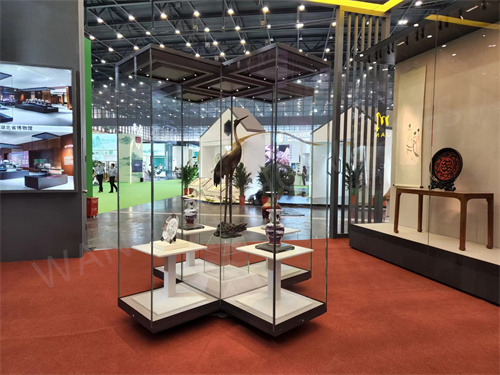
Numbers of curved & speical museum display showcases are customized in order to create an inimitable exhibition impact. The much special structure but the best airtightness and excellent performance with no any compromise comprehensively embodies the cutting-edge technology and exquisite craftsmanship from WANGDA SHOWCASES.


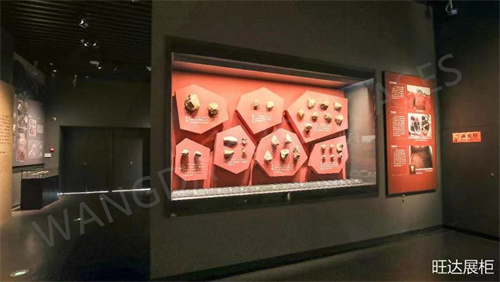
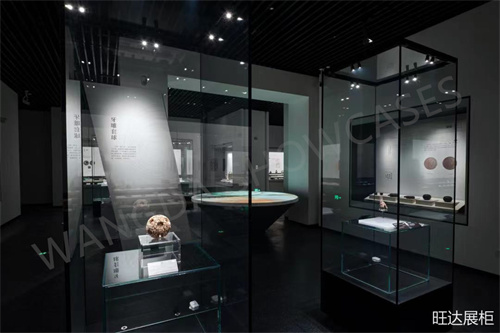
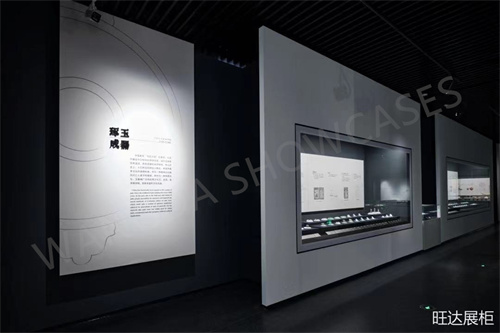
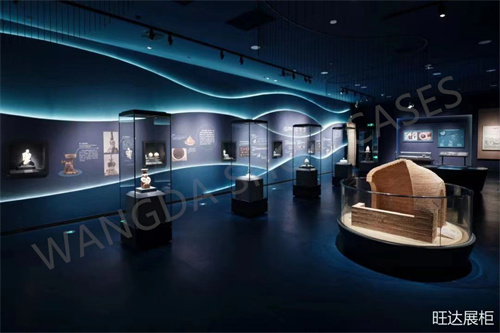
The Jade Hall is located on the 2nd floor of the East of Shanghai Museum. Nearly 350 pieces/groups of priceless jade artifacts like turquoise, agate, jade from the Neolithic Age to the Qing Dynasty are exhibited. The overall design of the Jade hall is warm and elegant. The exhibition space adopts a central layout in the shape of a circle.


The Imperial Seal Carving Hal is located on the 2nd floor of the East of Shanghai Museum. A total of 573 high-quality artifacts related to seal carving of ancient emperors are exhibited, and approximately 35% of the collections are revealed to the public at the first time. It is the first specialized exhibition hall with China’s seal carving collection as exhibition theme in the world. It is the first time to intermingle the history of China’s sealing engraving into the main origin system of seal engraving history of ancient civilizations around the world. With early seal carving history in basin of Mesopotamian, Nile River, Indus River Yellow River as prologue, the exhibition of the comprehensive history of China’s seal carving sarts a new chapter.


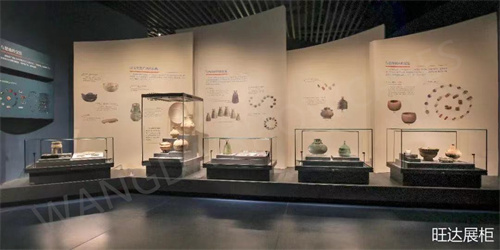
The hall of “China and The World: Ceramics and Exchanges” is located on the 3rd floor of the East of Shanghai Museum. With nearly half collections to be publicly exhibited for the first time, a total of 353 pieces/groups of valuable ceramic artifacts are selected for the exhibition. Intending to write a condensed textbook of the trade history of ceramic items, it is a new permanent thematic exhibition launched by the Shanghai Museum. In the world, it is also the first time to use ceramics as a medium to fully reveal the multidimensional history of economic, political, and cultural exchanges between China and foreign countries druing the Sui and Tang Dynasty to the Ming and Qing Dynasty.
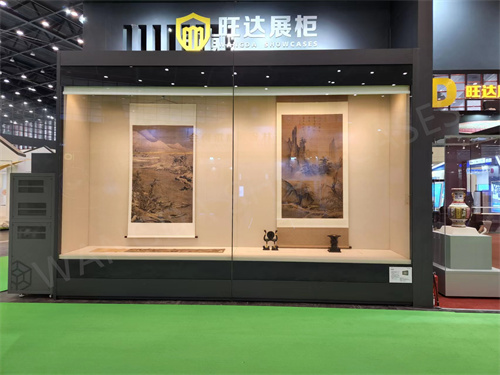
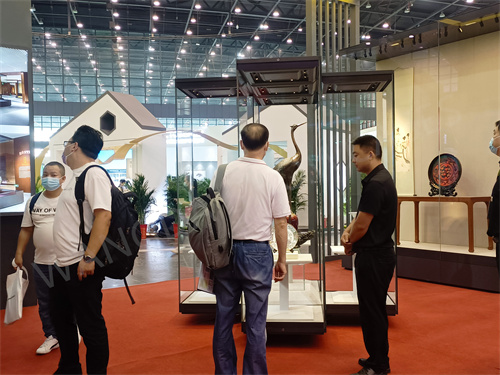
WANGDA SHOWCASES customized all the museum display showcases with the front to be constructed by a whole piece of anti-reflective ultra clear glass with no any any glass joint. By compressing the technical chamber to be extremely minimal, WANGDA SHOWCASES makes the exhibition bring an immersive exhibition experience to visitors.


The Experience Hall of Artific Conservation and Restoration is located on the 4th floor of the East of Shanghai Museum. Through the open restoration display and themed display, unveil the mysterious veil of ancient artfact protection and restoration to visitors. In the open exhibition space, the National and Shanghai Intangible Cultural Heritage Restoration teams showcase the protection and restoration on ancient artifacts of Bronze, ceramics, calligraphy, painting, furniture, lacquerware, ancient books, etc. 

WANGDA SHOWCASES is officially awarded with the museum showcase contract for Musée Gauguin in Polynésie française, to custom-build all the high-end, high-security and high-conservation museum grade showcases/vitrines.
Wtih the President of Polynesia French as the owner, the Paul Gauguin Museum (French: Musée Paul Gauguin) is a Japanese-styled art museum dedicated to the life and works of Paul Gauguin in Tahiti, French Polynesia. The Museum is closed for renovations – but the sister museum in Hiva Oa is open.
The museum is located at PK 51, 2 Papeari, Tahiti, directly across from the Botanical Gardens. French Polynesian and Marquesan cultural aspects are represented in its exhibits, which include original Paul Gauguin documents, photographs, reproductions, sculptures, engravings and gouaches. Also included and unseen in years are some of his sketches and block prints.[1]
On June 15, 1965, the Gauguin Museum opened at the Harrison Smith Botanical Garden.This building showcases over 350 works and the artist’s life in Polynesia.The remaining parts of the collection include replicas of his paintings and donations from international artists such as Crocq, Kijno, Mordvinoff, etc.Gilles Artur was appointed as the director of the Gauguin Museum and established the Friends of Gauguin Museum Association, which linked art sponsorship with the organization of cultural activities in the 1970s and 1980s.
WANGDA SHOWCASES is awarded with the contract of museum showcase project for National Museum of Nigeria, to design and supply high-end, high-security and high-conservation grade museum showcases and storeroom storage cabinets for National Museum located in Benin, Nigeria. The museum has a significant number of artifacts related to the Benin Empire such as terracotta, bronze figures and cast iron pieces. It also has ancient art related to the early times.The museum’s collection is not just confined to the Benin Empire. It’s also home to treasures from surrounding ancient city-states, making it one of the richest national museums in Nigeria in terms of historical breadth. As it stands, the museum is at the forefront of the fight for the return of thousands of artifacts taken from the city over a century ago by the British government.
This prestigious museum was established in 1973 and since then, it has served as a custodian of Nigeria’s rich and diverse cultural heritage.
With all the museum display cases customized and installed by WANGDA SHOWCASES, the Qinhuangdao Museum covers an area of 40 acres with a building area of 26553.6 square meters. The exterior of the museum is designed with elements such as bronze cauldrons, the Great Wall, oceans, and glass, showcasing the cultural characteristics of Qinhuangdao region; The interior is mainly made of ancient gray bricks, drawing on the architectural form of the Ming and Qing Great Wall passes and the construction techniques of the city walls, reflecting the indomitable and united spirit of the Great Wall.


” 

| 


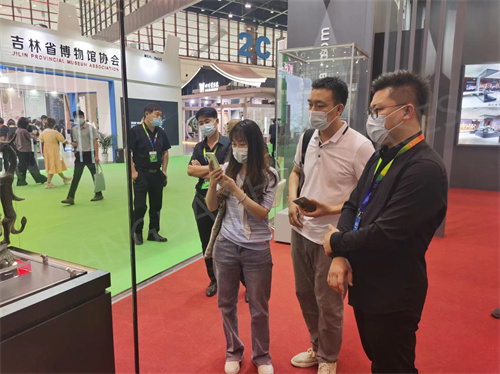
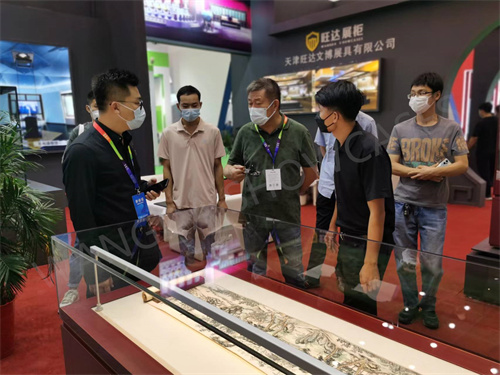
With a view to developing the cooperation and establishing long-term partnership for the museum showcase projects in Thailand, the clients from Thailand paid a due diligence visit to WANGDA SHOWCASES, with a tour of our office, showcase showroom and workshops of our factory. Deep discussion and technology exchange was conducted during the meeting.


Early Feburary in 2024, National Museum of Brunei(Muzium Brunei) carries on acceptance inspection for 82 no.s of conservation grade museum showcases that are customized by WANGDA SHOWCASES.
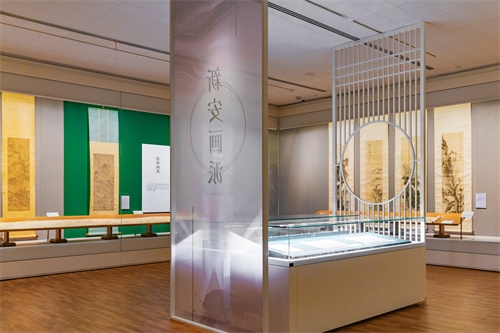


Equipped with customized museum showcases from WANGDA SHOWCASES, the Engraving Printing Hall of Palace Museum is unveiled and debuts to the public on 31th. October, 2023. Over 15000 rare and priceless collections relevant to ancient engraving printing are exhibited in a warehouse style in the Engraving Printing Hall that is located in Chonglou and Chaofang in the southeast of Taihe Gate in Palace Museum. Since the establishment of the Palace Museum, it’s the first time to hold such a thematic exhibition.
In order to integrate museum showcases harmoniously with the ancient engraving printing collections and highlight exhibits with less visual attraction by museum showcases themselves, WANGDA SHOWCASES custom-built all the high-end museum showcases with wood-look finish in the same style of ancient wood engraving patterns.


WANGDA SHOWCASES is awarded with the contract of museum showcase project for National Grand Theatre of China. For the East Exhibition Hall of National Grand Theatre in Beijing, WANGDA SHOWCASES will customize all the high-end museum showcases with anti-reflective glass for ultra clear display space and with active micro-climate control system to monitor and control internal temperature and humidity within display volume.
National Grand Theatre of China is a curved building, with a total surface area of 149,500 square meters, that emerges like an island at the center of a lake. The titanium shell is in the shape of a super ellipsoid with a maximum span of 213 meters, a minimum span of 144 meters and a height of 46 meters). It is divided in two by a curved glass covering, 100 meters wide at the base.

To enrich exhibition styles, WANGDA SHOWCASES leads AI technology into the museum showcases. With ultra thin and soft OLED screens combined perfectly with ultra clear glass panels, internally supported by integrated AI softwares, the museum showcases from WANGDA SHOWCASES can clearly convey the full information of ancient artifacts to the audience and allow to intuitively tell the story behind the collections in the form of AR display affect. Such new museum showcases are featured with the cutting-edge function of touch interaction and AR linkage, able to interprete the true meaning of ancient histories on “glass” and to bring the ancient stories alive. For telling the historical traces of historicial artifacts and literature on a large scale, multiple OLED screens can be seamlessly spliced along glass panels.