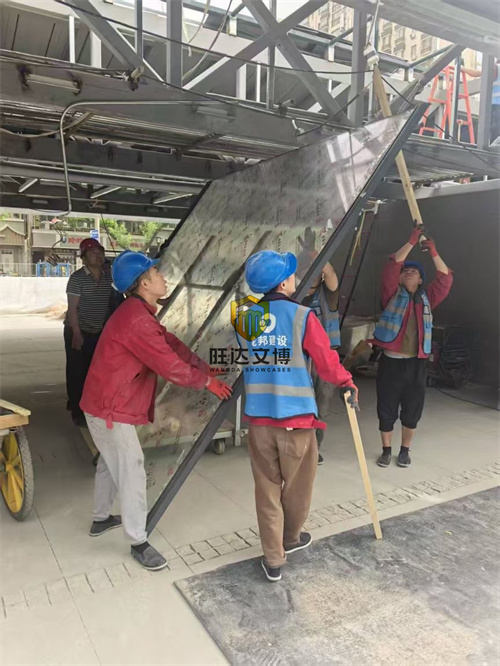
World Expo Museum of China Opens to the Public

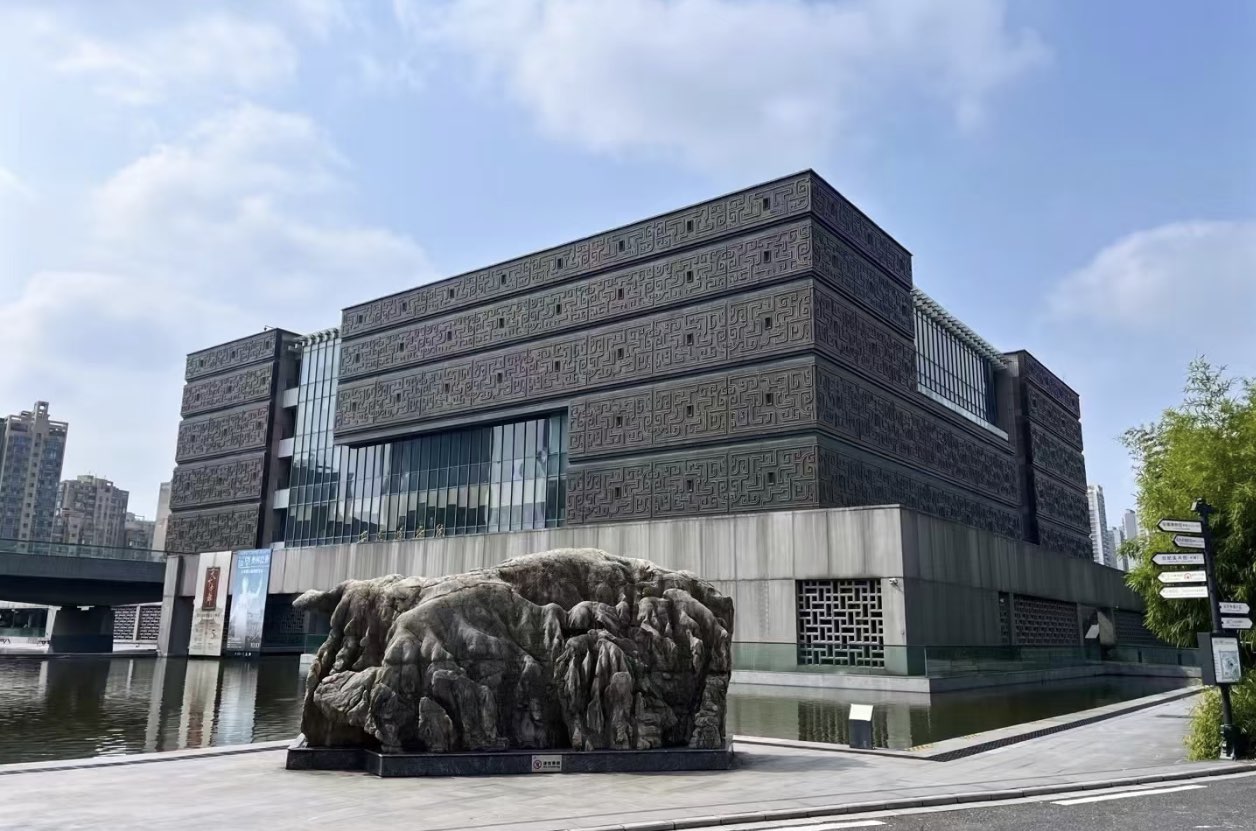
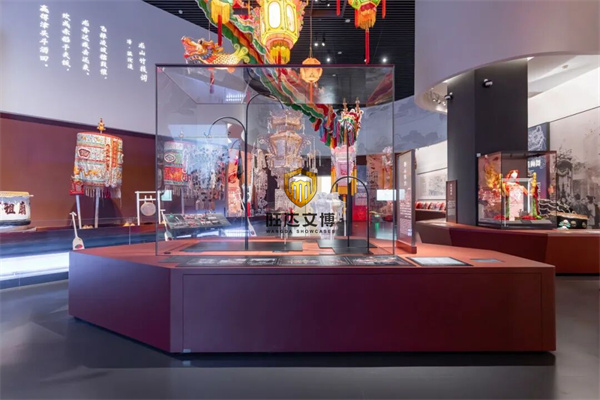
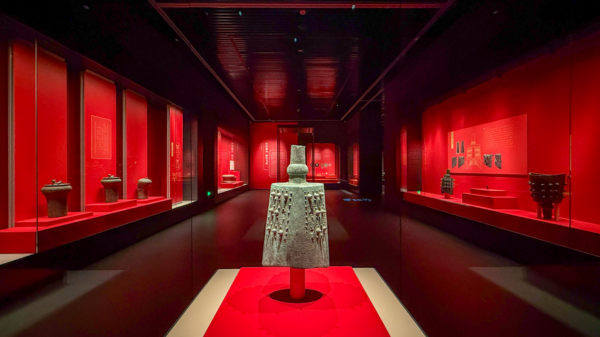
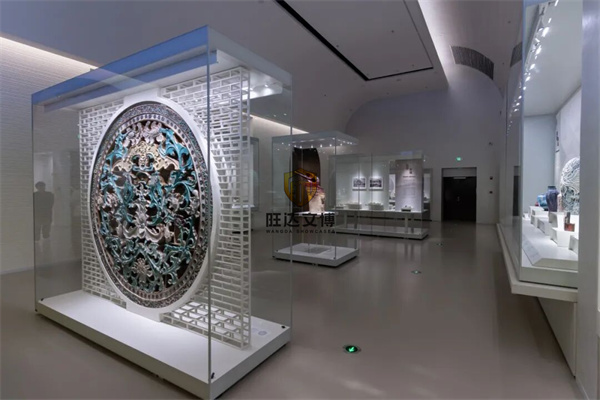
Equipped with all the museum display cases customized by WANGDA SHOWCASES, World Expo Museum of China(in Shanghai) is the world’s only official World Expo-themed museum co-built with the Bureau International des Expositions (BIE). It also serves as BIE’s sole official museum and the global documentary center for World Expositions, and is classified as a National Class Museum of China.

With 6 floors above ground, 1 basement floor, the construction area is totaled 46,550 sq.m. (31,950 sq.m. area above ground, 14,600 sq.m. area underground). Collection cover 28,000 artifacts, historical archives and state gifts from all countries, covering the full history of World Expositions dating back to the inaugural Great Exhibition of the Works of Industry of All Nations in London, 1851.

Permanent Exhibition Halls

The exhibition narrates the complete chronicle of World Expositions from the 1851 London Great Exhibition, through Expo 2010 Shanghai, to future expos. The exhibition design was jointly developed by Chinese, Western and Italian teams.

Hall 1: Global Stage (1st Floor)

Opening gallery tracing the origins of World Expositions

  • Core Exhibit: 1:100 scale miniature replica of London’s Crystal Palace, landmark building of the first World Expo.
  • Content: The industrial revolution backdrop that gave birth to World Expositions, early participation of nations; interactive ground projection triggering animations of national flags when stepped on.

Hall 2: Path of Progress (2nd Floor)

History of World Expositions from 1851 to 1945 Displays steam machinery, industrial innovations and early urban planning artefacts, documenting how science and technology transformed human life.

Hall 3: Faith in Optimism (2nd Floor)

World Expositions between the two World Wars, featuring art, decorative styles and new lifestyle concepts, with a large collection of vintage Expo posters and craftworks.

Hall 4: Facing Global Challenges (3rd Floor)

Post-war modern expos addressing worldwide issues including urbanisation, the environment and population; a replica of the giant ecological green wall from the Urban Planet Pavilion of Expo 2010.

Hall 5: A Grand Global Gathering (4th Floor)

Comprehensive overview of Expo 2010 Shanghai China, recreating the vibrancy of the original expo site, silhouettes of national pavilions, volunteer archives and a full range of Haibao mascot collections.

Hall 6: World Civilisations (4th Floor)

A curated collection of precious state gifts presented by national pavilions worldwide Highlights include an emerald-inlaid Haibao from Colombia, the sacred peace flame lantern from Nepal, Thai guardian sculptures from Wat Pho, Austrian crystal tiger, Arabian horse sculpture from the UAE, Solomon Islands canoe bust, Bangladeshi memorial tapestry and hundreds of other national treasure-level diplomatic gifts.

Hall 7: Wisdom of China (5th Floor) – Must-See Gallery

  • Signature Exhibit: Dynamic version of Along the River During the Qingming Festival, the star exhibit originally housed in the China Pavilion of Expo 2010, a giant LED scroll with animated pedestrians, boats and flowing water.
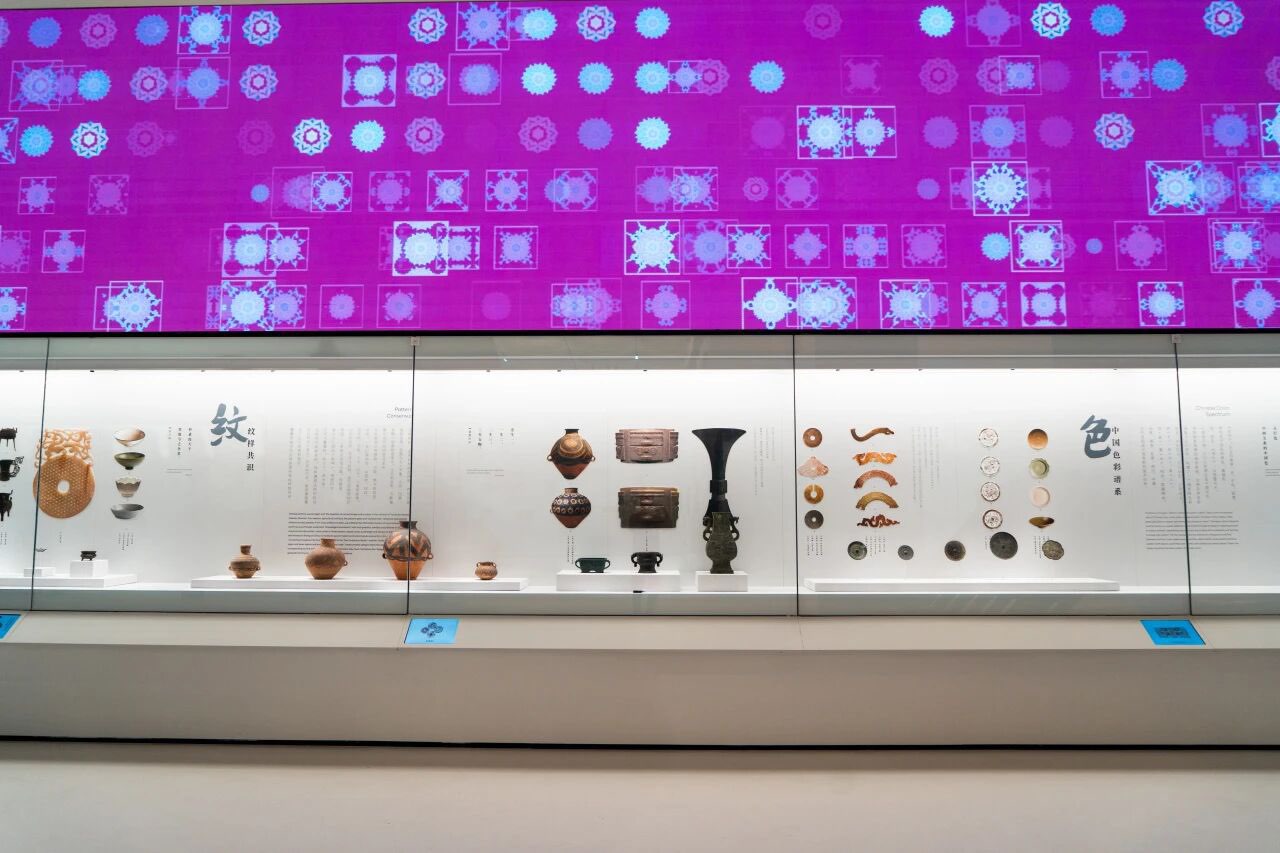
  • Supplementary Displays: Replicated exhibits from Chinese provincial and municipal pavilions, including a replica of the Houmuwu Ding, Chao embroidery, Jingdezhen porcelain, Tibetan prayer wheels and Huanghuali wood carvings.

Hall 8: Visions for the Future (5th Floor)

Post-2010 World Expositions (Milan, Dubai, Osaka etc.), focusing on sustainability, new energy and future cities; equipped with VR interactions, voice-activated star projection and an interactive message wall for visitors to leave notes on the future of expos.
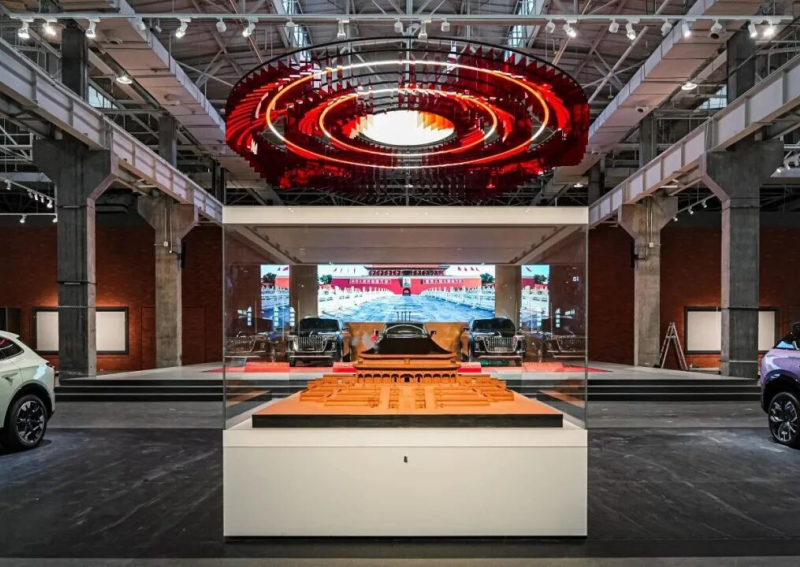
FAW(First Automobile Works of China) Museum Opens

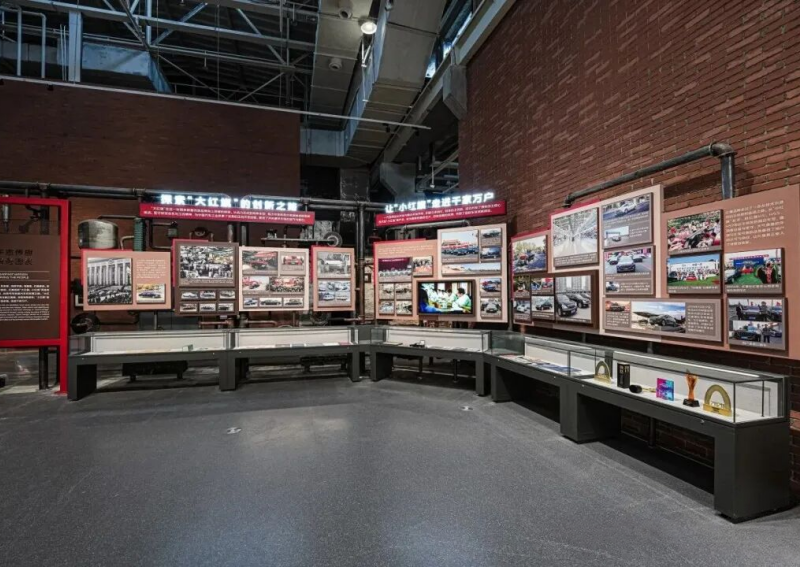
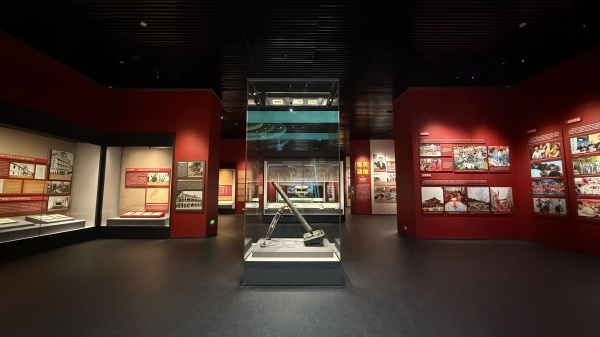
With all the museum display cases to be customized by WANGDA SHOWCSAES, the museum of FAW(First Automobile Works of China) open to the public by boasting a total construction area of 31,800 square meters. It houses over 150 physical display vehicles, more than a thousand precious historical artifacts and historical documents, alongside immersive scene recreations, unfolding an epic chronicle of the development of China’s automotive industry.

WANGDA SHOWCASES is honored to undertake the design and fabrication of museum showcases for the FAW Museum of China, delivering reliable display solutions for these precious exhibits bearing national memories.

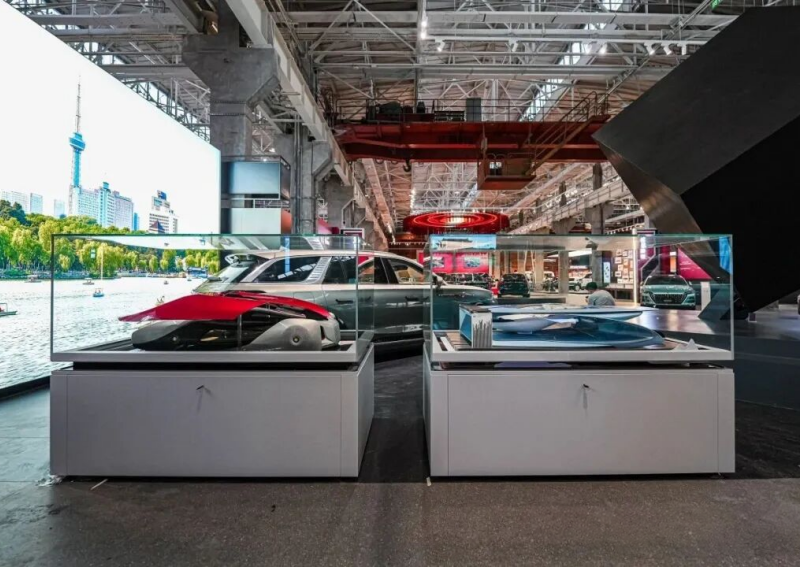
Most museum display cases in the exhibition hall are horizontal table display cases with a sealed steel structure. When display cases’ door are closed, the sealing strips are compressed to form an airtight barrier, effectively isolating humidity fluctuations and external pollutants, and creating a highly stable, low-disturbance micro-environment for exhibits. Two opening modes are available: electric lifting and manual flip-up, catering to different requirements for exhibit access and daily maintenance.


The height of horizontal table display cases is engineered in line with ergonomic principles, delivering a comfortable downward viewing angle and operating distance for visitors, and easing fatigue from prolonged standing. The display cases are arranged sequentially following the natural layout of the hall’s walls, forming a smooth visitor circulation route. The design maximizes interior space while creating a well-proportioned visual hierarchy.

The leg-style base of each table display case creates a light visual effect. Closed display case doors sit flush with the main frame, with sealing strips fully concealed within joints, delivering a neat, compact overall appearance that harmonizes with the exhibition hall’s orderly aesthetic. The built-in lighting system adopts arch-shaped lamps, casting evenly diffused light across exhibit surfaces to form uniform area illumination. This eliminates overexposure and shadowed zones, removes direct glare, and ensures every detail of the exhibits remains clearly visible.

Large size of cantilever display cases feature hinged side-swing doors with a maximum opening at 90°, fully exposing the display case interior for unobstructed placement and retrieval of large exhibits during exhibition setup. The door panels are fitted with heavy-duty load-bearing hinges and auxiliary support structures, enabling smooth, stable opening without sinking or shifting.

Large-scale exhibits are presented in freestanding display cases finished in white, which visually recedes to draw full focus onto the exhibits while matching the hall’s design language. The display case surface undergoes electrostatic powder coating with superior adhesion. Testing verifies consistent color retention for up to thirty years under standard exhibition conditions, with no fading or chalking.

WANDA SHOWCASES Complete the Museum Showcase Installation for NHM Thailand

WANGDA SHOWCASES carried out the customized design, production and on-site installation of exclusive museum display cases for the Natural History Museum, which is part of Thailand’s National Museum Complex. The tailor-made professional display cases fully comply with professional museum collection display standards and meet the comprehensive requirements for the display, protection and daily maintenance of natural specimens and paleontological collections.

The customized museum display showcases for this project adopt cutting-edge industrial sealing protection technology, which can effectively isolate external moisture, dust and air pollutants, creating a stable and safe display and storage environment for museum collections. Equipped with a full-electric intelligent opening system, the museum display cases support multiple opening modes including electric drive-out and electric movement to left/right. A manual emergency opening device is additionally configured to balance the convenience of daily operation and the safety of emergency scenarios.

In terms of safety protection, the display cases are equipped with three-level safety system to build a solid line of defense for collection safety. The first-level safety adopts ASSA ABLOY dual safety electronic locks to lock the lower access doors of the display cases and prevent unauthorized opening. The second-level safety applies electric control locks to manage the overall opening circuit of the equipment and realize precise control of access permissions. The third-level safety is equipped with wired control handles. The linkage of multiple protection mechanisms minimizes potential safety risks and ensures full safety and controllability of museum collections.

In terms of display and layout practicality, the customized display cases feature a maximum opening rate of 80%. The ultra-large opening space adapts to the display, layout, maintenance and handling of large natural specimens and heavy cultural relics, greatly improving the museum’s layout efficiency and satisfying the demand for diversified and large-scale exhibit display.


Anhui Museum Prehistoric Civilization Exhibition Hall Renovation Project

Anhui Museum Prehistoric Civilization Exhibition Hall Renovation Project, with all the museum grade showcases to be customized by WANGDA SHOWCASES

After careful and elaborate preparation for months, the exhibition hall Ancient Anhui Civilization – Prehistoric Anhui of Anhui Museum has finished exhibition renovation and started public preview on April 4, 2026.
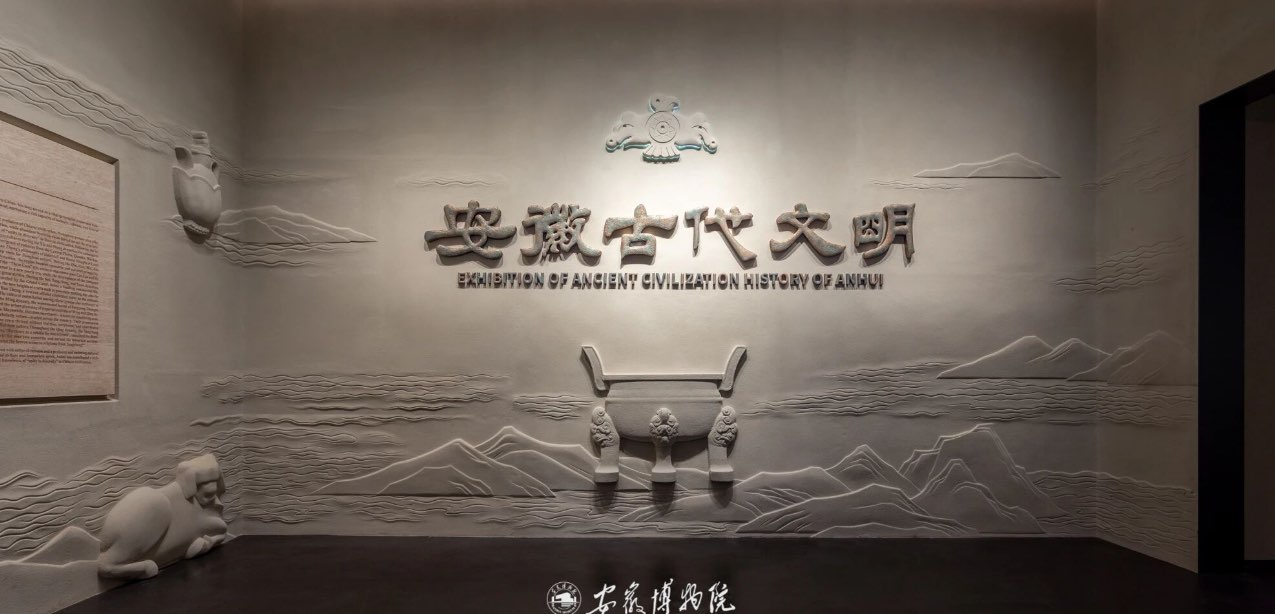
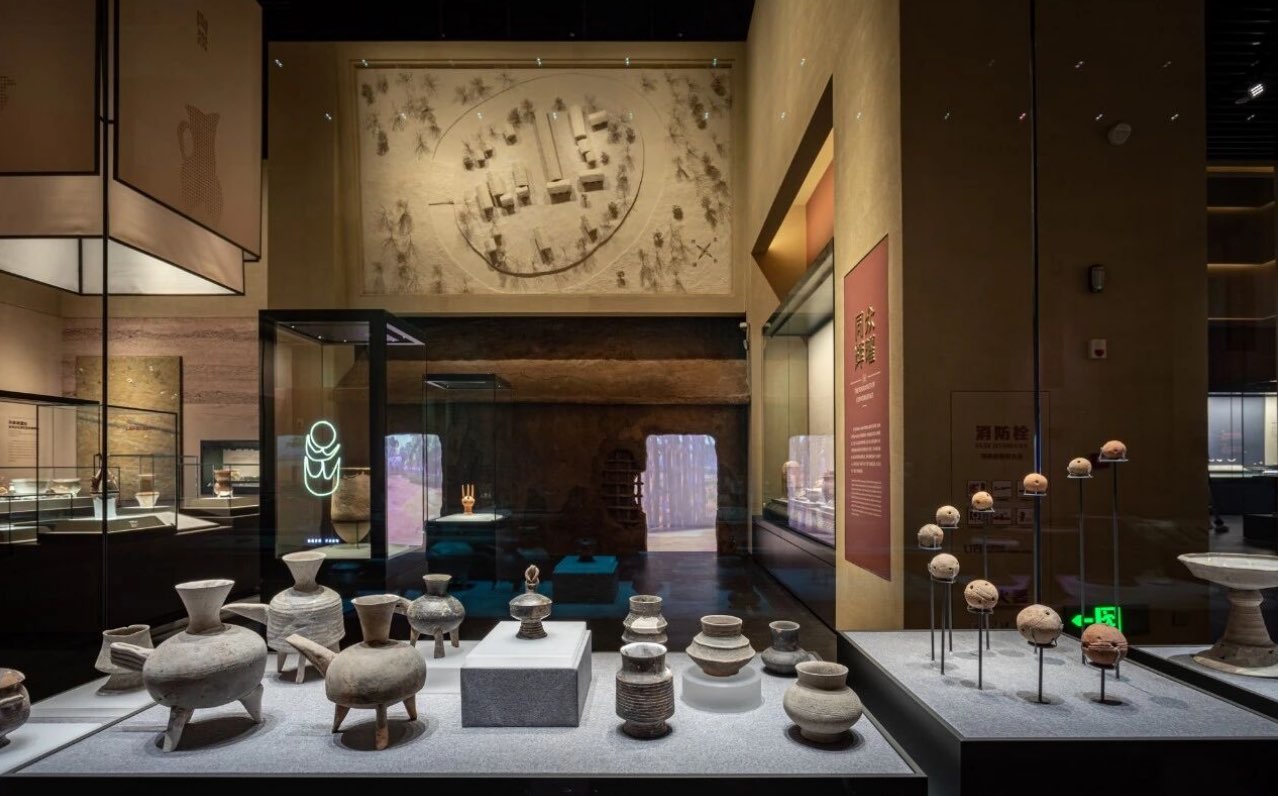
Located on the second floor of Shushan New Building in Anhui Museum, this exhibition hall is the opening chapter of Anhui Civilization History Exhibition. Following chronological sequence, it displays major archaeological achievements in Anhui, showing the evolution from Paleolithic ancient human sites to Neolithic clan civilization, and highlights Anhui’s important status in the origin of Chinese civilization.

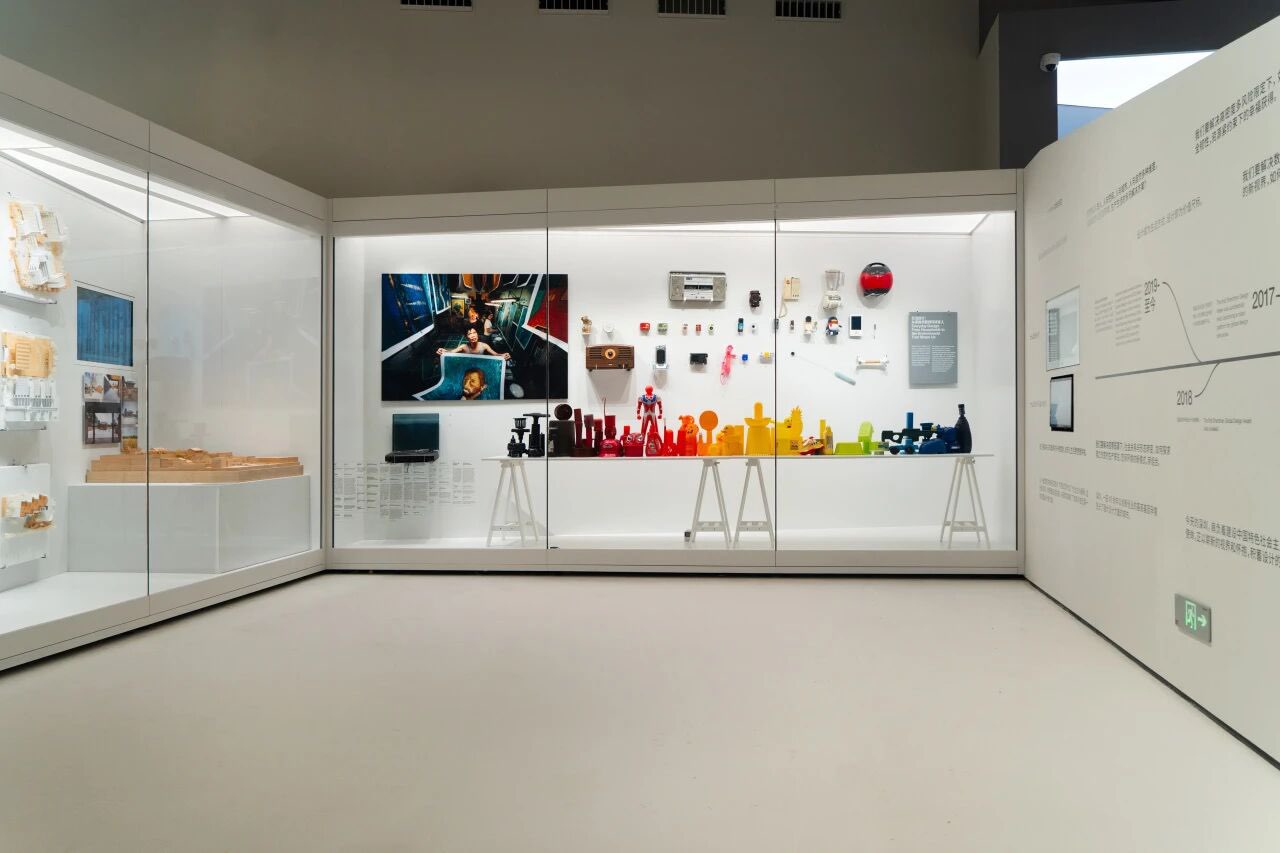
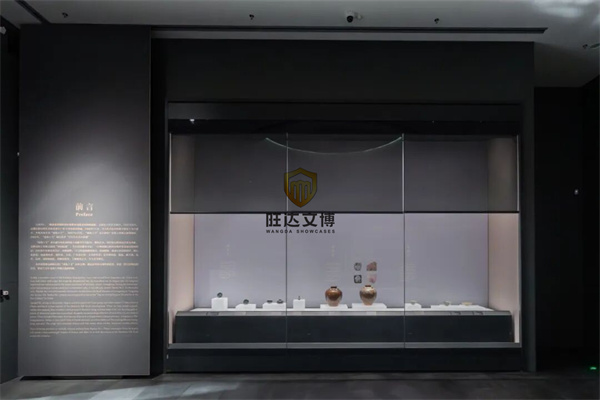
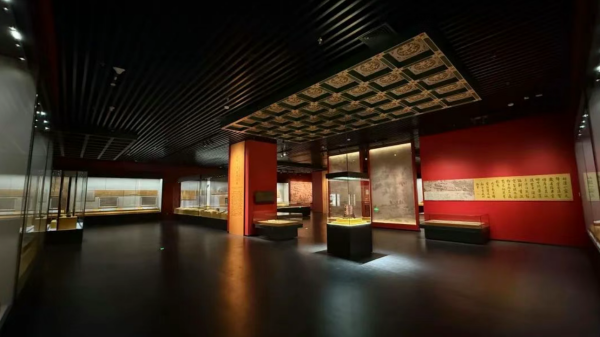
Covering approximately 900㎡, the exhibition hall adopts low-saturation dark tone design to build a quiet immersive viewing environment. Combined application of independent standalone showcases and continuous wall showcases realizes hierarchical spatial partition, fully presents shape, texture and detail features of cultural relics, and optimizes overall visual impact and exhibition narrative logic.
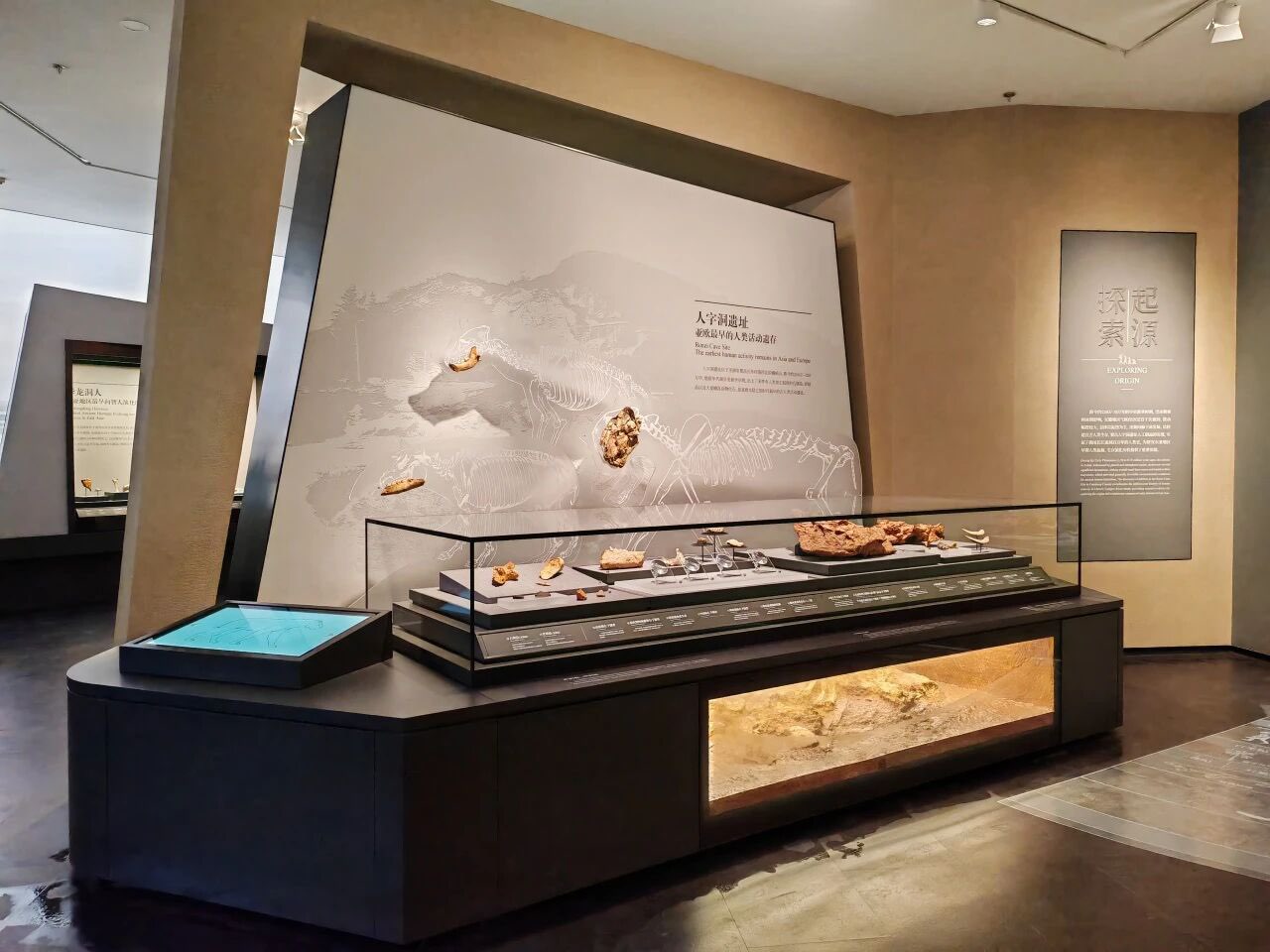
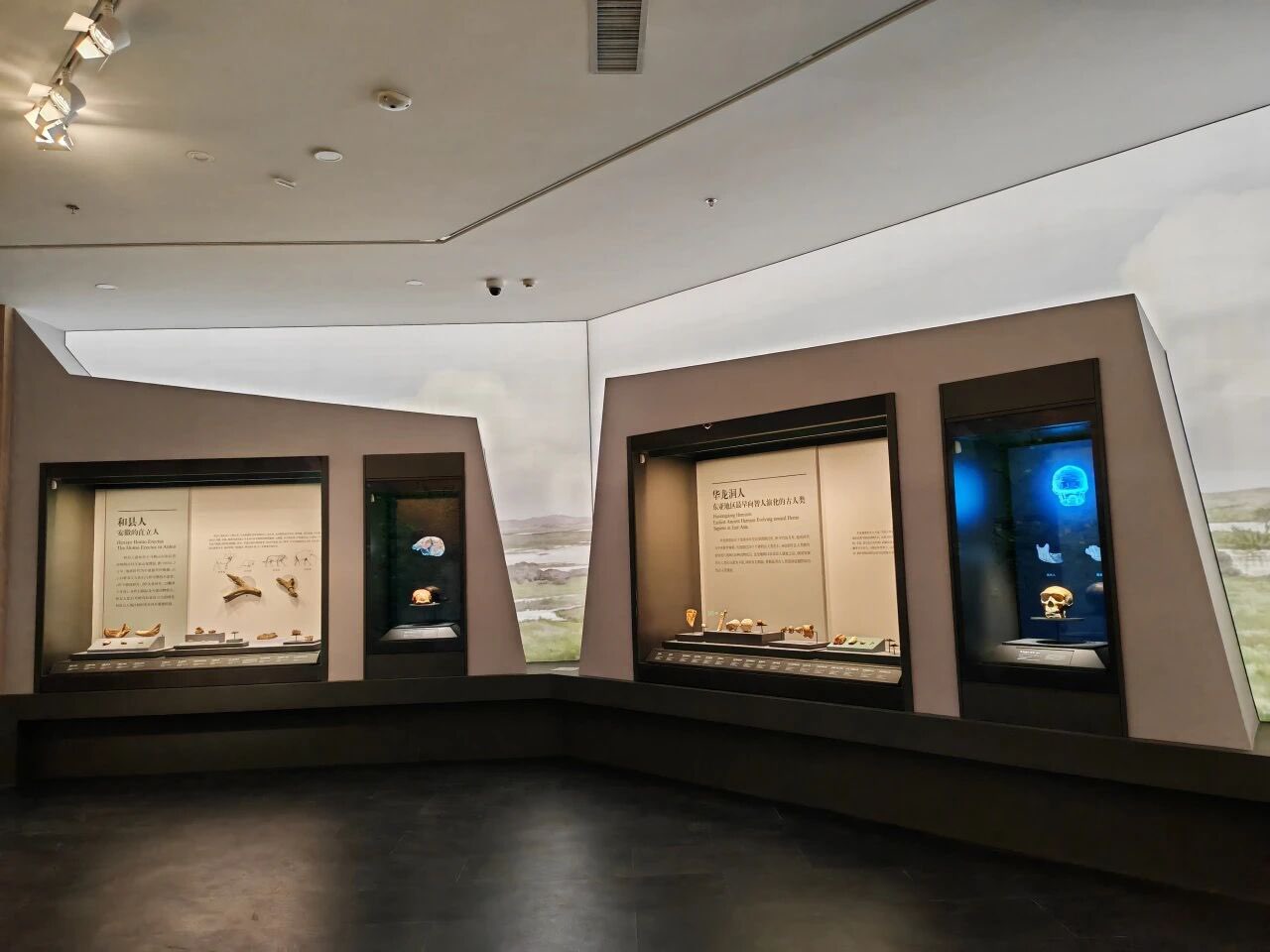
Adopting all-steel integral structure and low-reflection laminated anti-glare glass, the cabinets eliminate light reflection and bring immersive relic viewing experience.

Embedded touch interactive screens on countertops support visitors to query extended information of exhibits conveniently.
Hollow cabinet structure matched with high-quality low-reflection glass expands invisible display space and improves overall aesthetics.

Internal stepped brackets and layered layouts create staggered visual rhythm. All interior materials adopt inert environmentally-friendly materials passing ODDY test, free of volatile harmful substances, fully protecting precious cultural relics from chemical corrosion.
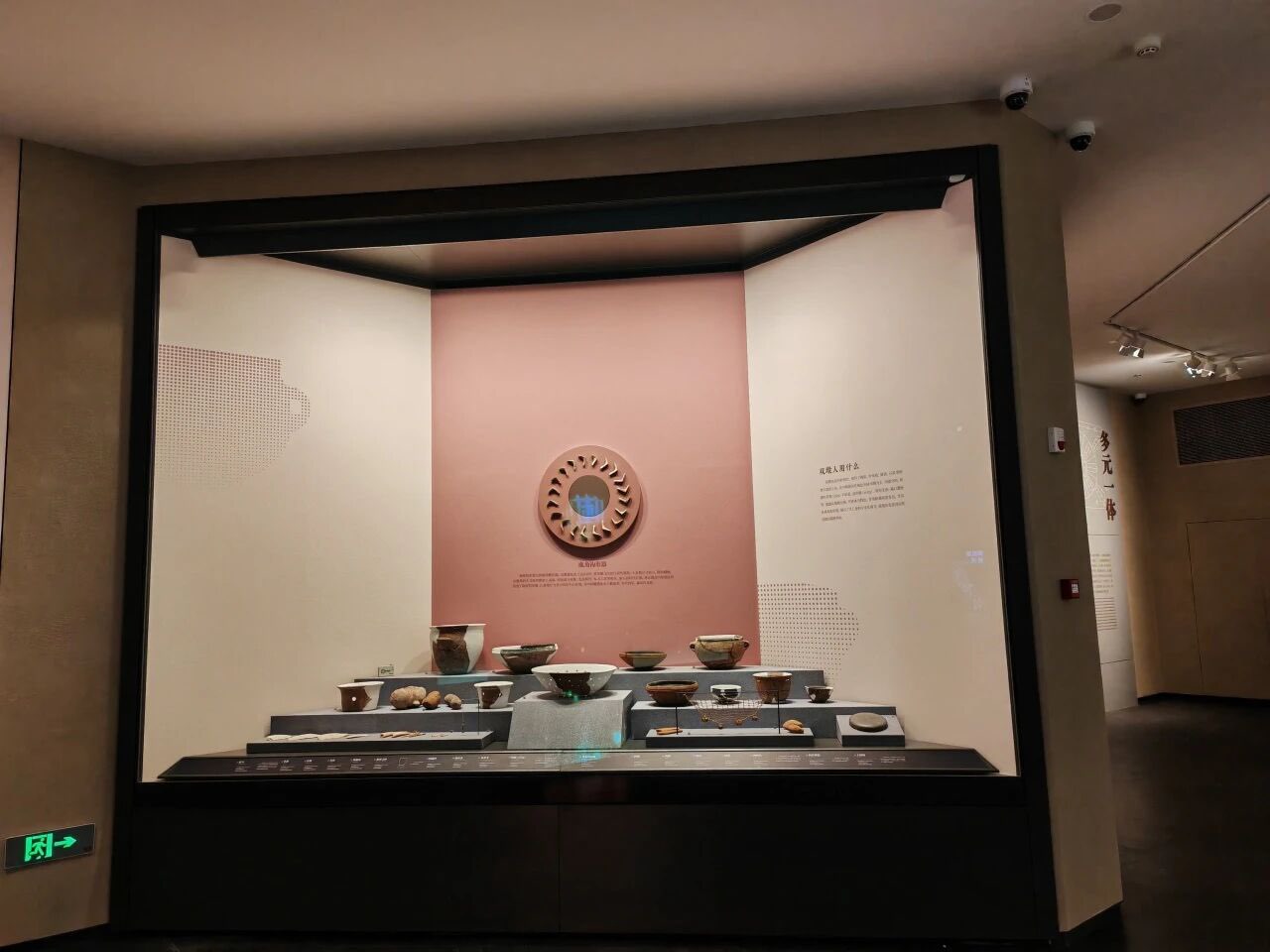
Customized matching the wall layout of exhibition hall, continuous cabinets form integrated coherent display interface.
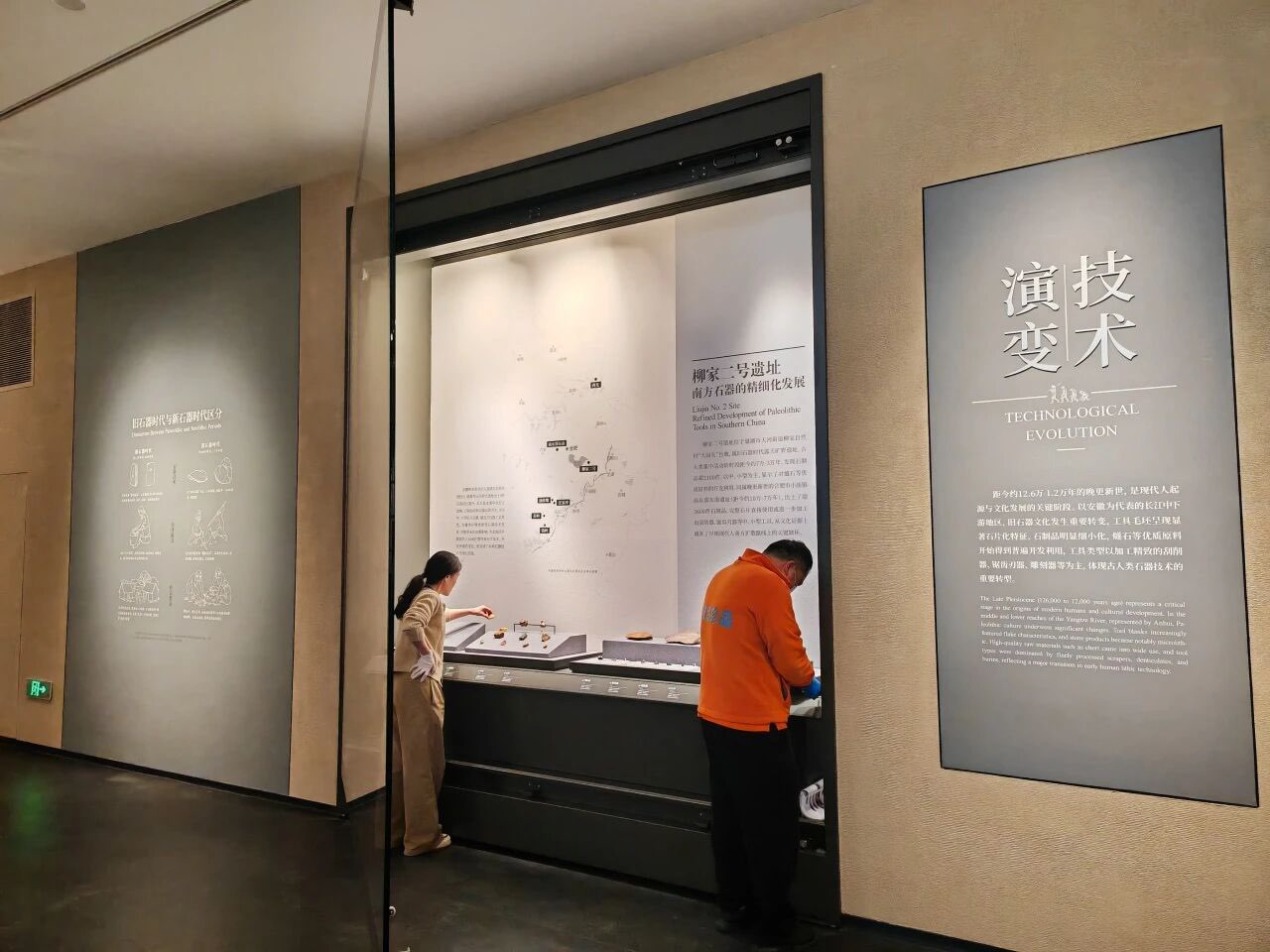
Professional glare-free LED museum lighting accurately restores original color of cultural relics with soft and uniform light.

90° side-opening structure provides large barrier-free operation space for relic placement, debugging and daily maintenance. Integrated seamless glass panels upgrade display effect, while high-hardness opening components ensure long-term stable use without sagging or deformation.
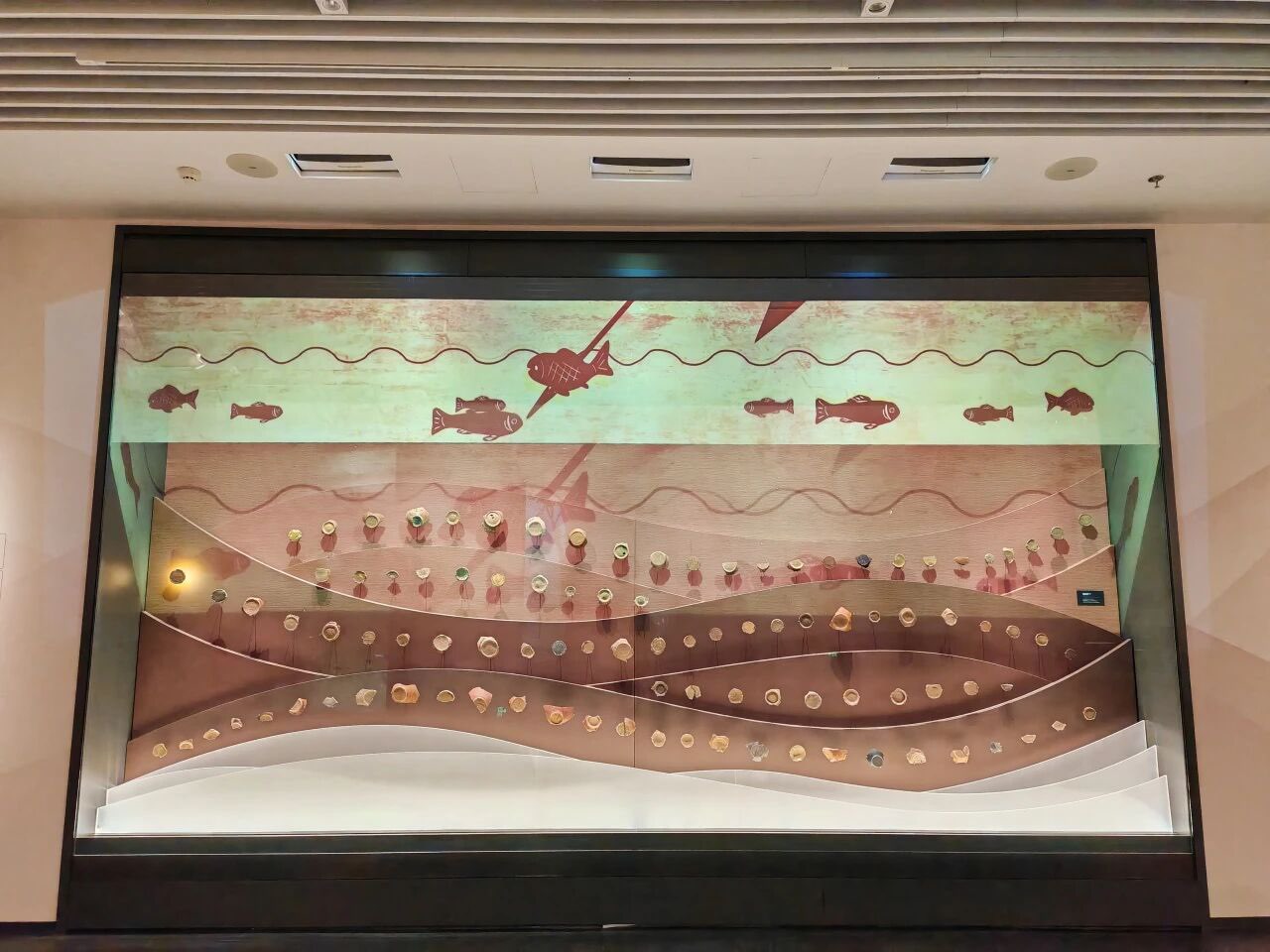
Multi-layer partition panels inside continuous cabinets divide deep space into multiple display surfaces, greatly increasing usable display area and enriching spatial hierarchy.
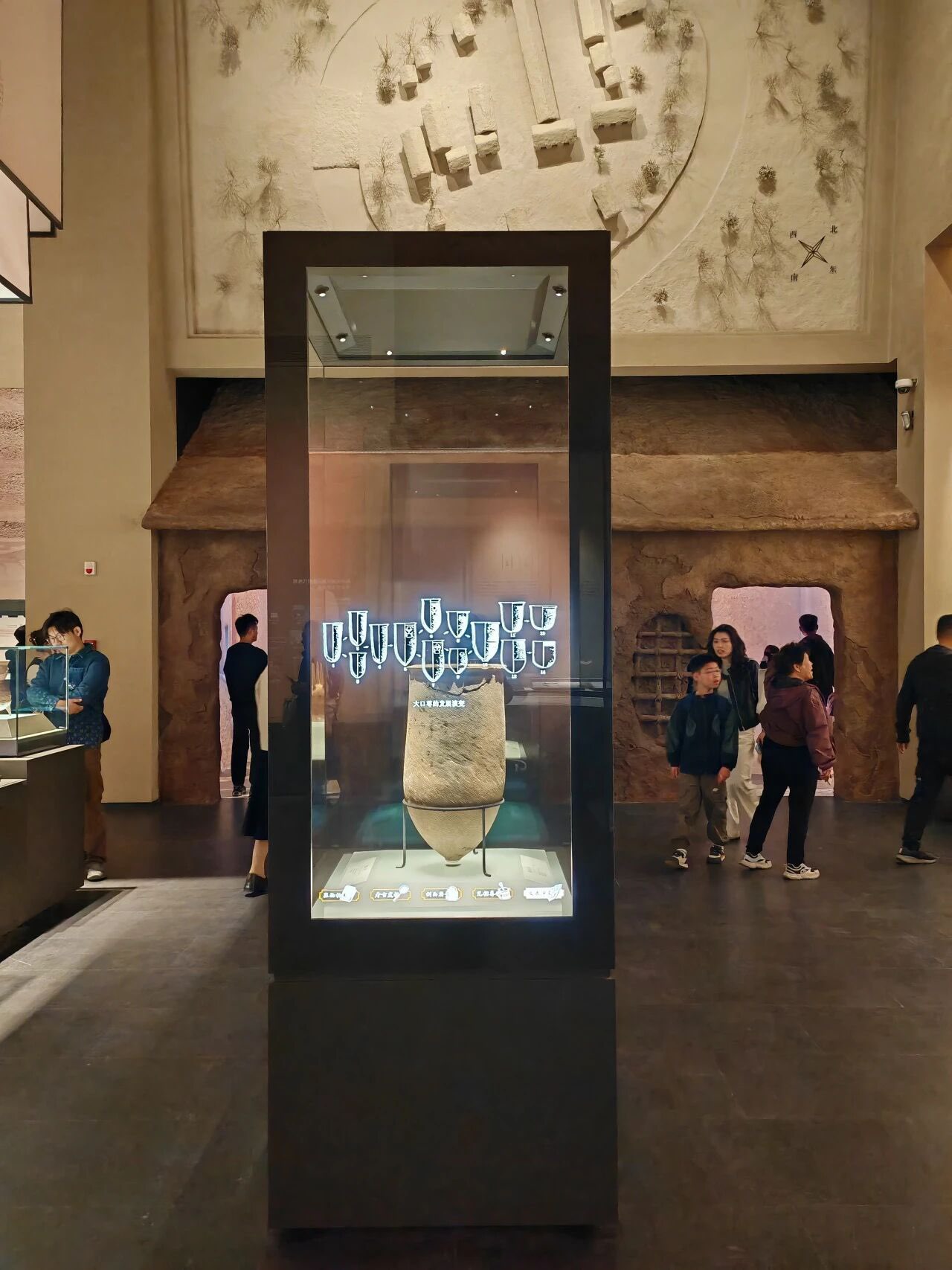
Reasonable matching between exhibit arrangement and background layout, together with invisible fixing brackets, achieves tidy, orderly and rhythmic display in limited space.

Built-in projection system takes showcase glass as display screen, realizing compound presentation of physical cultural relics and dynamic digital videos.

Interactive standalone showcases integrate built-in touch screens, supporting 3D model browsing and animated interpretation, helping audiences deeply understand craftsmanship characteristics and cultural connotation of relics.

Embedded display screens inside niche cabinets present multi-angle detailed pictures and professional explanations, upgrading traditional planar viewing to three-dimensional interactive experience, and endowing the exhibition with both academic depth and interactive interest.

Derajat Museum(D.I.Khan Museum) in Pakistan Opens to the Public

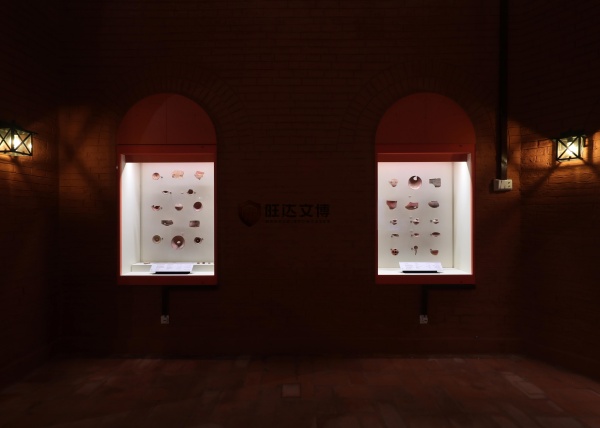
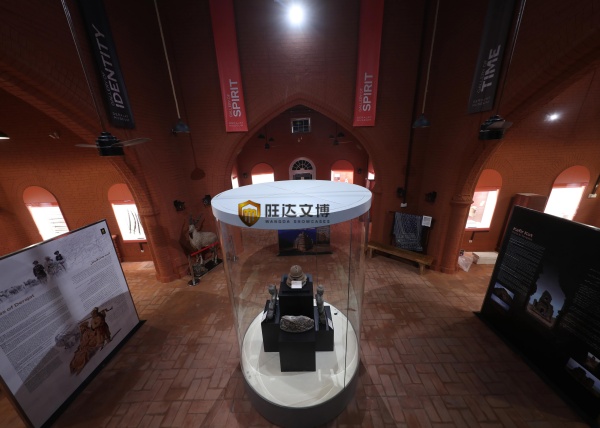
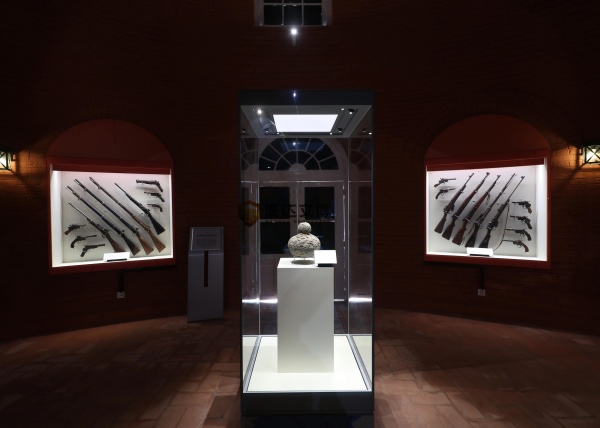
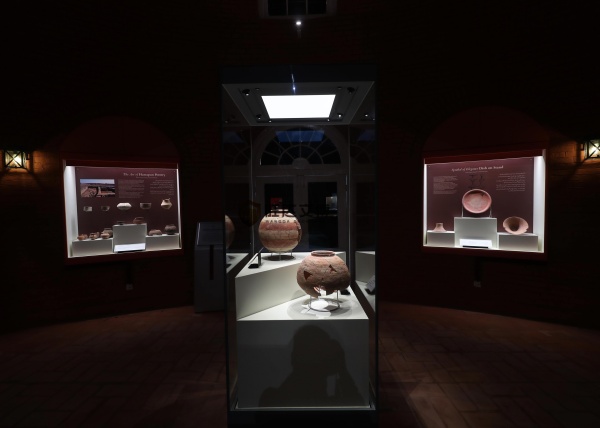
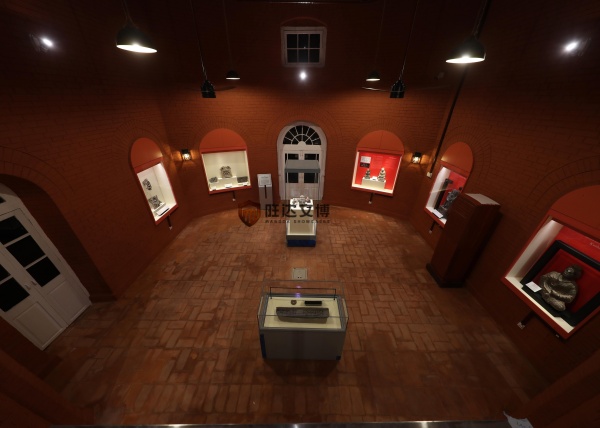
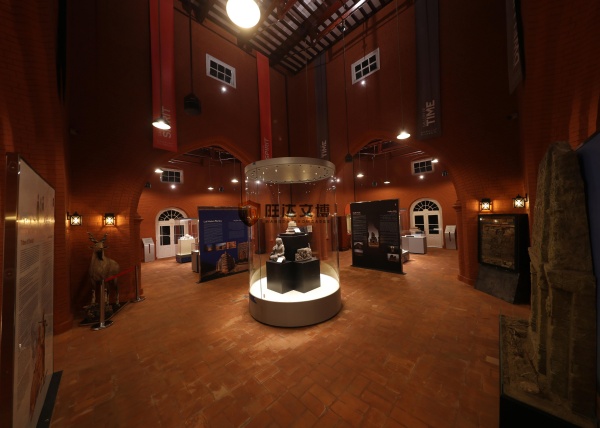
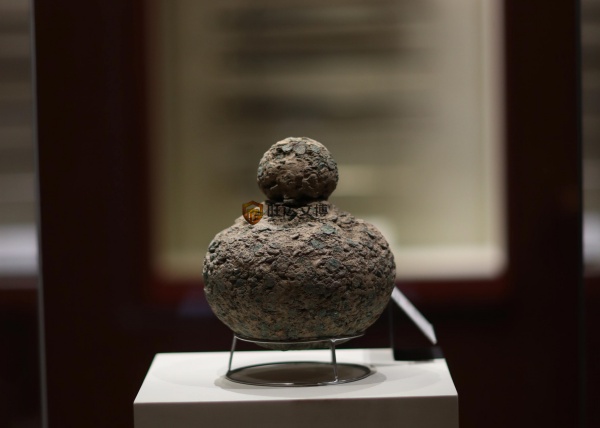
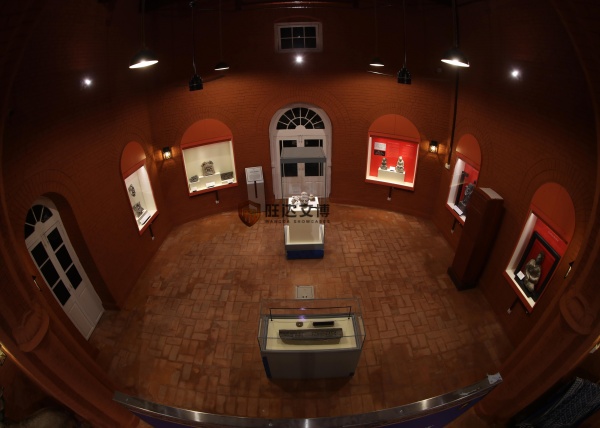
The Derajat Museum with all the museum display cases customized by WANGDA SHOWCASES opens to the public. The Derajat Museum was established by the Directorate General of Archaeology & Museums KP with support from the World Bank-assisted KITE Project, showcases the region’s rich cultural heritage through artifacts, relics, and exhibits highlighting its history and significance.

DERA ISMAIL KHAN, the historical Town Hall of Dera Ismail Khan, a landmark built in the classic British colonial architectural style, has been given a new life after a major conservation and restoration effort.


Customized Museum Showcases for Shenzhen Bay Culture Square

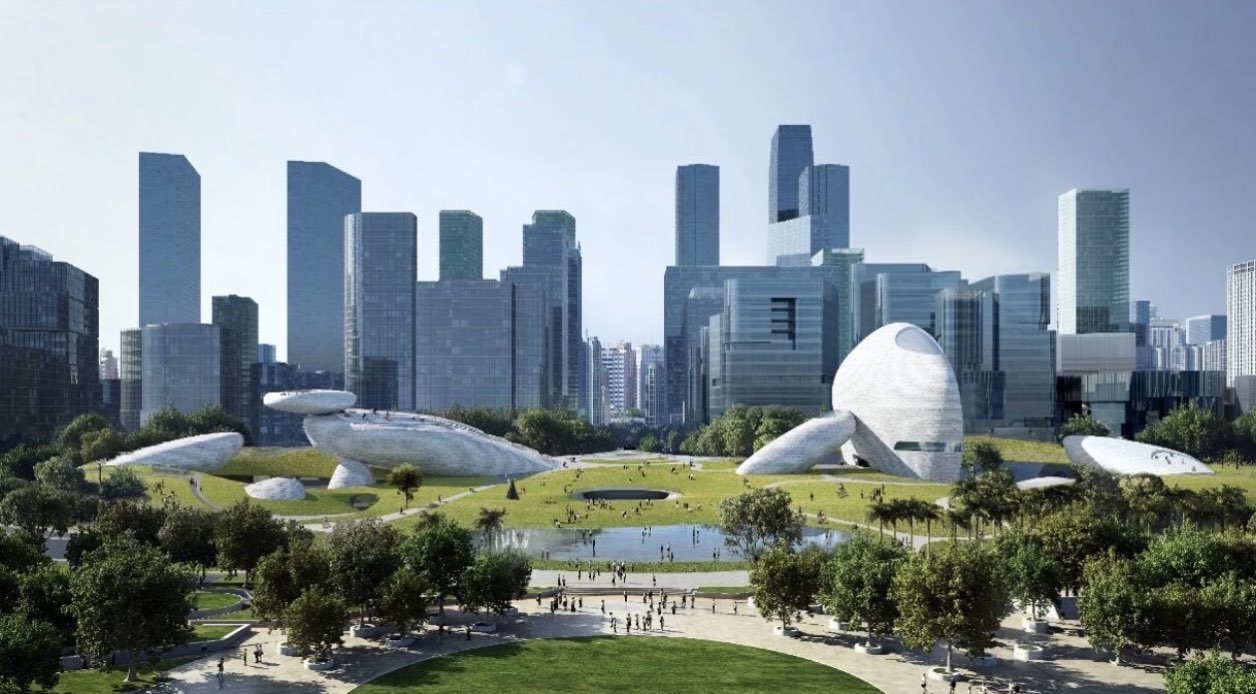
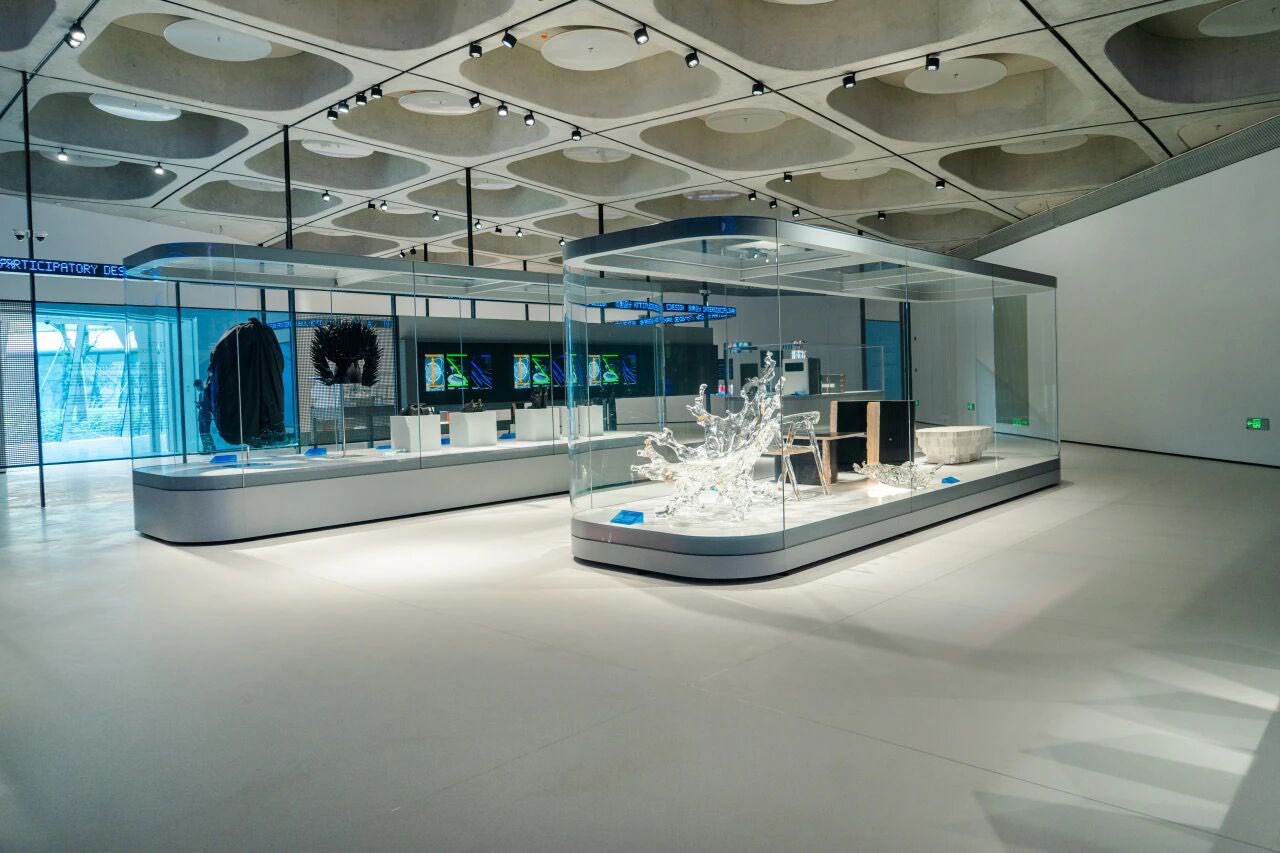
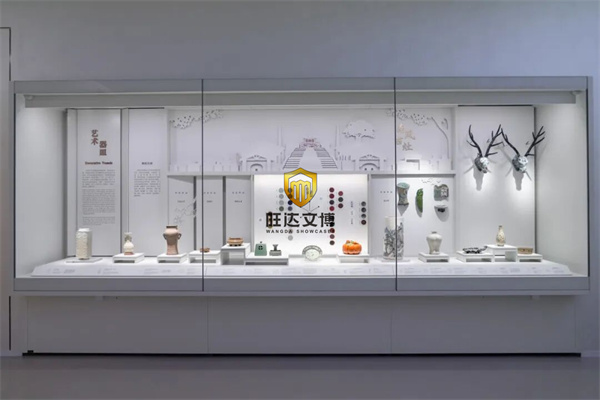
On November 1, 2025, Shenzhen Bay Culture Square officially launched its trial operation. This three-dimensional cultural space, with a total construction area of 188,000 square meters, adopts the concepts of Openness, Quality and Growth. Rooted in China and benchmarked against the world, it builds a globally influential design and culture complex where design coexists with quality, aesthetics and innovation. The exhibition spaces of Halls 1, 2 and 3 are designed by Suzhou Gold Mantis Culture Development Co., Ltd., and all the conservation grade of museum display cases are designed, manufactured and installed by WANGDA SHOWCASES.


The exhibition project of Shenzhen Bay Culture Square consists of the above-ground South Hall, underground exhibition halls and storage areas, which have strict requirements on the environment for the preservation and display of cultural relics. The display cases provided by Wanda Museum for this project are core to creating a stable and clean micro-environment for various exhibits.

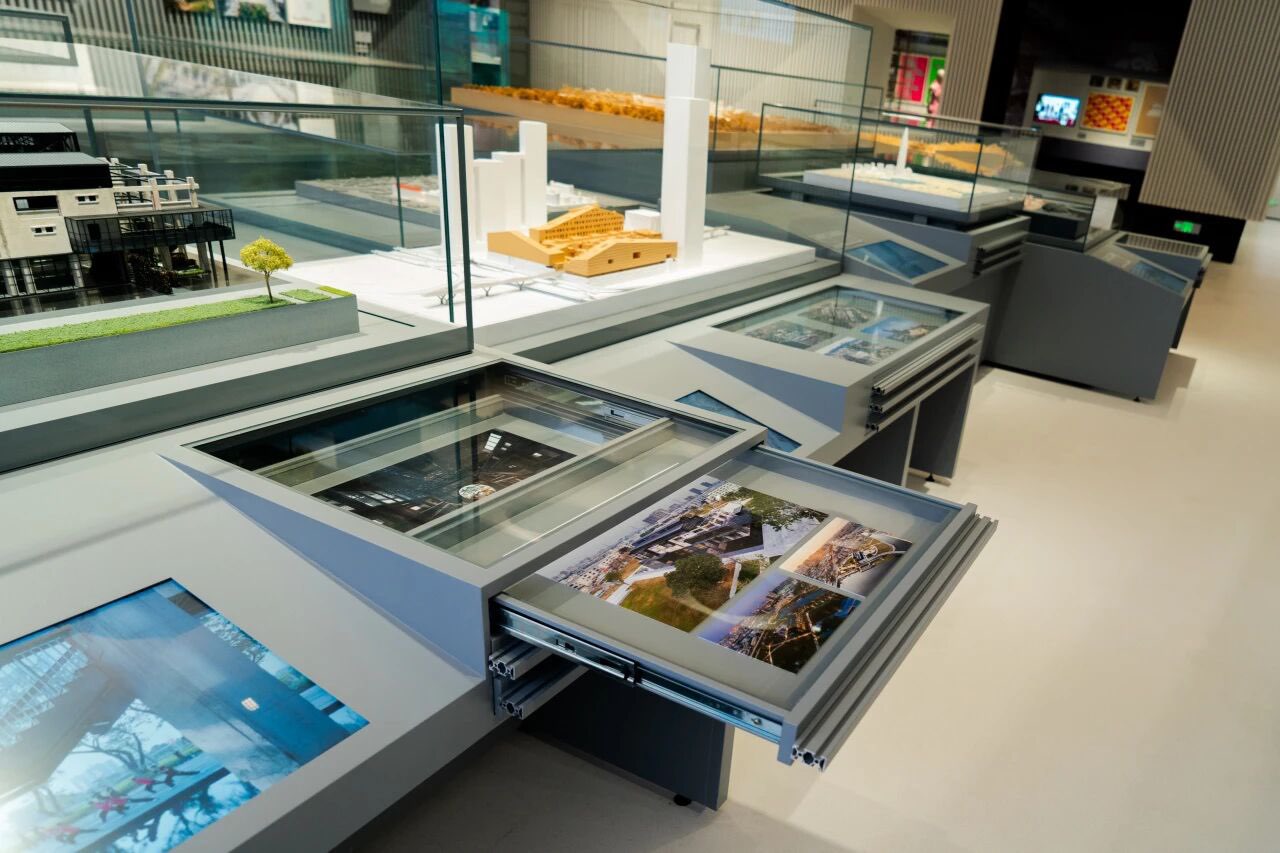
Hidden Pull-Out Display Case-The hidden pull-out display case is one of the highlights. It blends into the wall to maintain visual integrity in normal state; when in use, authorized personnel can smoothly pull out the display surface via rails with silent operation. This design breaks through the limitations of traditional fixed-point display, providing an efficient way for multi-angle viewing, research and maintenance of cultural relics. When not in use, the case retracts to optimize space utilization in the exhibition hall.

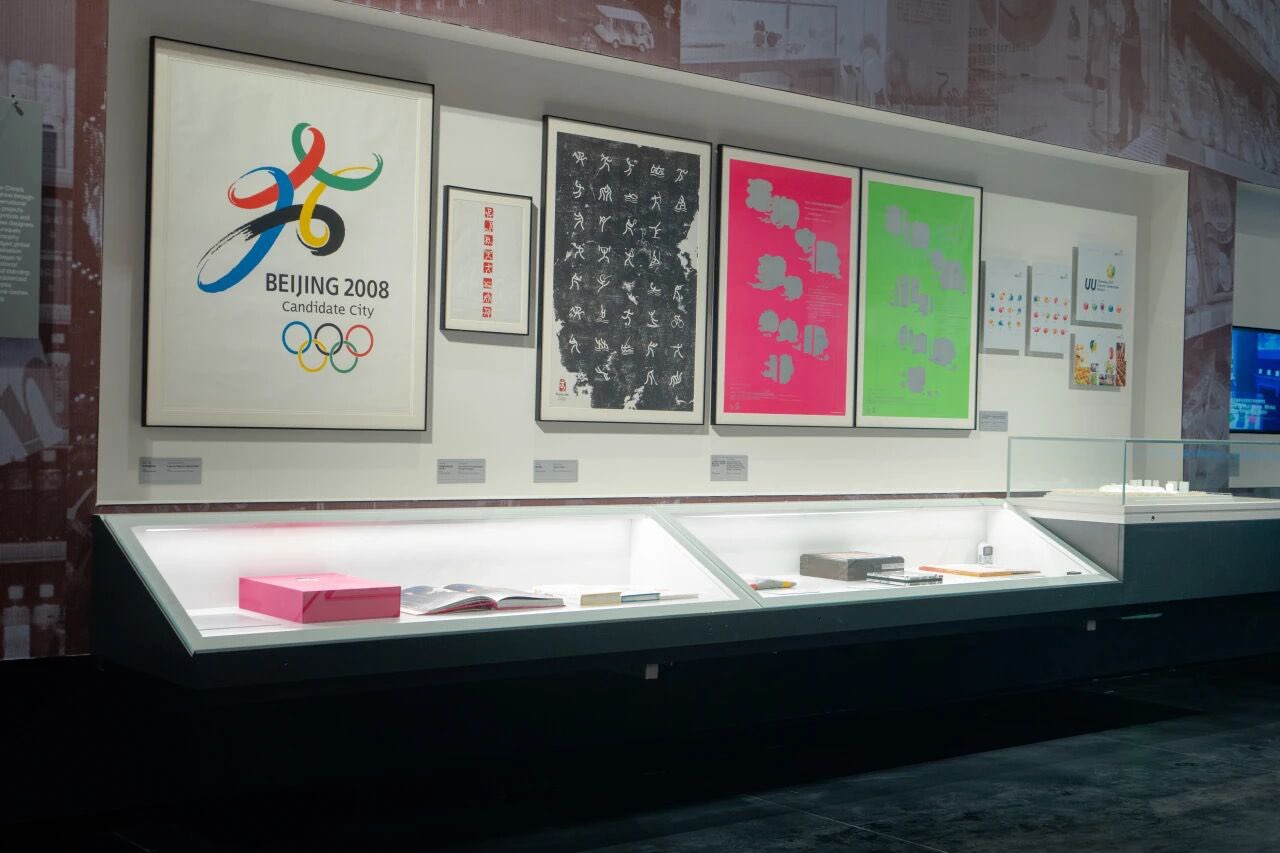
Curved Display Case-The curved display case features rounded treatment of all vertical corners through professional design. The rounded shape softens the industrial sense, and its gentle lines harmonize with the modern, minimalist style of the exhibition hall. It also reduces the risk of accidental collisions in crowded spaces. The smooth rounded transition demands extremely high processing and splicing techniques for glass and metal plates, demonstrating Wanda Museum’s superior craftsmanship.

Drawer-Type Display Case -Customized for flat exhibits, the drawer-type display case seals exhibits in drawers with anti-reflective glass via a sliding pull-out structure, achieving a perfect balance of storage and display. It offers dustproofing, anti-touch protection, high space efficiency and audience interactivity.

Interactive Display Case-Some display cases are equipped with high-definition touch screens. Visitors can learn about the historical background and multimedia information of exhibits through screen interaction while viewing the real objects, upgrading static display to an immersive experience. The screens adopt anti-glare technology and are embedded in the cabinet to avoid a protruding appearance.

Inclined Display Case-The inclined display case has a tilted display surface designed in line with ergonomics. Facing the audience, it allows viewers to enjoy the best viewing angle without visual distortion without bending down.

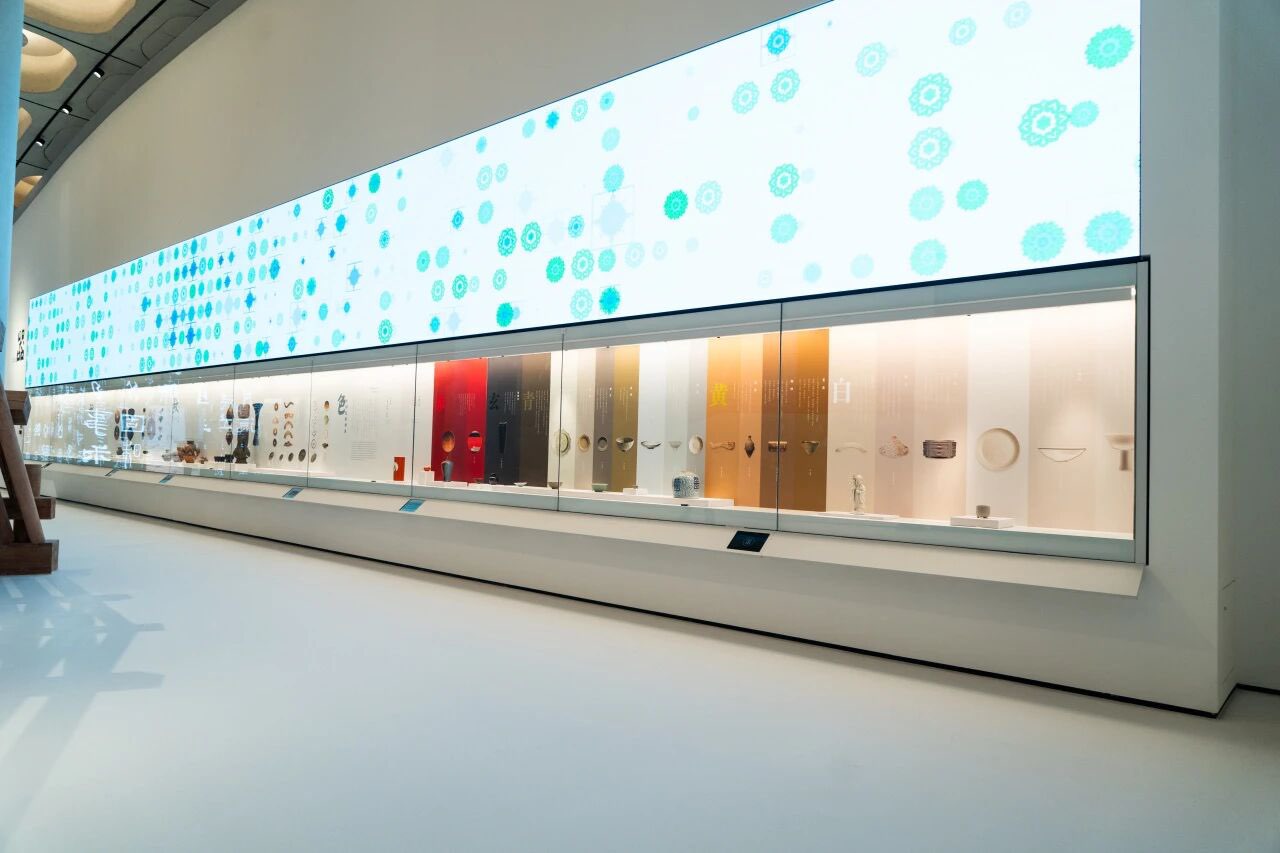
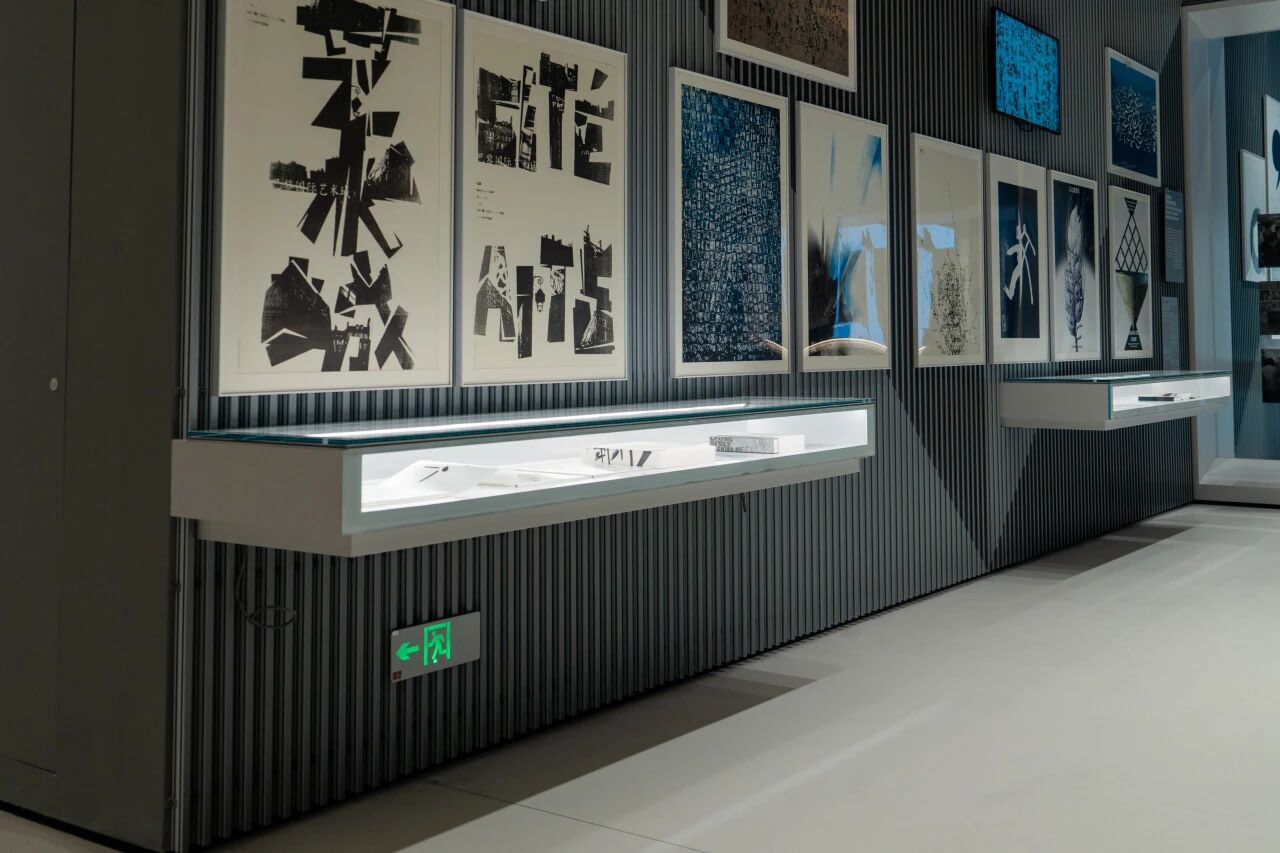
Cantilevered Display Case-The cantilevered display case is firmly fixed to the wall with a hidden metal frame, with no visible support underneath, creating a unique floating visual effect. It naturally integrates into the modern and stylish exhibition style of Shenzhen Bay Culture Square and makes the space more transparent and lightsome.

Display Case Performance

Display Case Lighting

For optimal exhibition effects, Wanda Museum uses museum-grade professional LED lights with no UV radiation and low infrared heat effect, fundamentally eliminating potential damage to exhibits from optical radiation. Lighting angles and illuminance can be precisely adjusted according to the material, shape and color of different exhibits, ensuring highlights and clear details while strictly complying with cultural relics protection illuminance standards.

Display Case Humidity Control

The display cases are equipped with a constant humidity system, maintaining internal humidity within the safe range for exhibit storage. It provides preventive protection for wooden exhibits prone to cracking and warping due to dryness, and textile exhibits vulnerable to mold or hydrolysis caused by moisture, creating a long-term safe micro-environment for exhibits.

In the display case design for Shenzhen Bay Culture Square, WANGDA SHOWCASES provides customized size, shape and layout solutions tailored to the venue’s modern style and specific exhibition route, ensuring the display cases fully integrate into the exhibition space. In the future, WANGDA SHOWCASES will stay true to its original aspiration, cooperate with more partners, and contribute its professional strength to the protection and inheritance of China’s excellent traditional culture with more advanced technologies and more reliable products.
WANGDA SHOWCASES is awarded with museum showcase contract for Zaamin History Museum in Uzbekistan

WANGDA SHOWCASES is awarded with the museum showcase contract for Zaamin History Museum in Uzbekistan, to customize high-standard conservation grade museum showcases for this renowned museum in Middle Asia.

The Zaamin History Museum was established on November 12, 1993, by decision of the Jizzakh regional administration, by local activists to study the history of the district. The museum was founded on May 18, 1994, on the occasion of International Museum Day. Under the auspices of the regional inspectorate for the protection of cultural heritage sites, the museum building underwent major renovations, and the exhibition hall was equipped according to modern requirements. It is planned to enrich the museum with new archaeological finds by participating in excavations of ancient monuments in the Zaamin district.

Exhibits

The antiquity of the exhibits in the museum’s collection dates back to the 3rd century BC and up to the beginning of the last century, and includes exhibits from such periods as the Kushan kingdom, the Karakhanid state, and the Arab conquest of Central Asia. The finds mainly consist of ceramic items, bones, and tools found in the territory of Mazartepa, Kultepa, Jartepa, and several other monuments. There are exhibits related to the clothing and customs of the peoples who lived on the 18th-19th century Zaamin hills.

Interesting facts

The museum building was originally built in 1909 for the officers’ assembly of the garrison of the troops of the Russian Empire, as a forpost of the empire on the Turkestan border. During the Soviet era, the building was used in different years as a military hospital, a shop, an administrative building, and a maternity hospital. After a century of exploitation, the building’s condition deteriorated, requiring restoration work. In 2013, it underwent reconstruction by the Ministry of Culture.

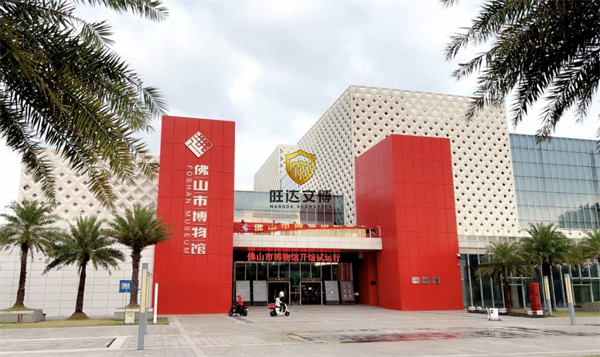
FOSHAN MUSEUM OPENS TO THE PUBLIC

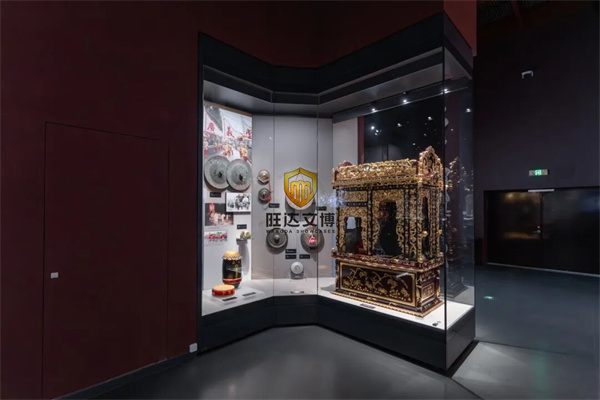
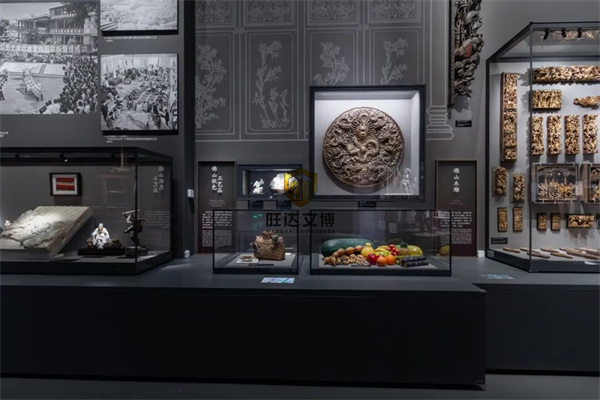
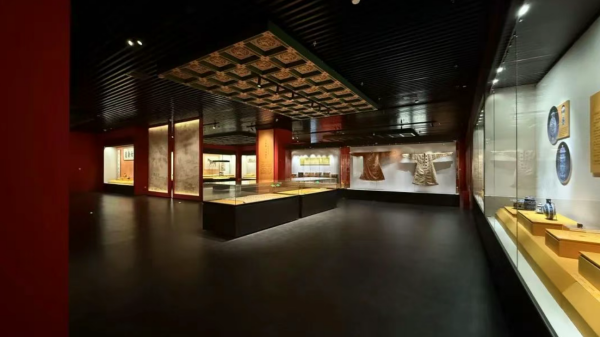
The Foshan Museum in Guangdong China commences trial opening today (September 29th). With a total construction area of 42,000 square meters and an exhibition area of over 5000 square meters, the Foshan museum holds three basic exhibitions and has three exhibition halls of national treasure hall, immersive experience area, temporary exhibition hall. Total 34,400 historical artifacts including 6,323 precious artifacts are collected by Foshan Museum.

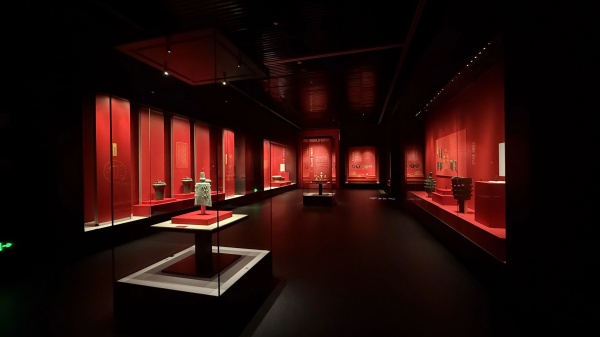
All the museum grade display cases/showcases for the basic displays of “Scenery Lingnan(South of the Five Ridges) – Foshan Intangible Cultural Heritage Exhibition” and “Shiwan is a beautiful pottery bay”, as well as for the National Treasure Hall are designed, produced, and installed by WANGDA SHOWCASES.


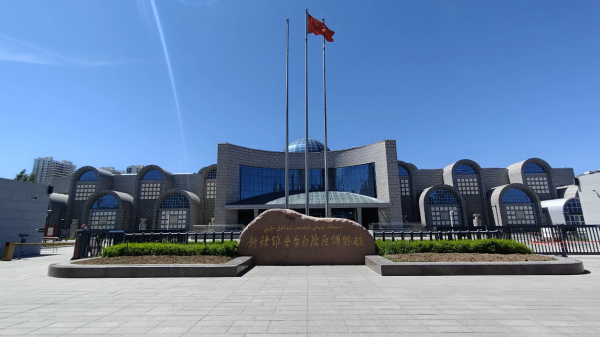
Museum of Xinjiang Uygur Autonomous Region Opens to the Public

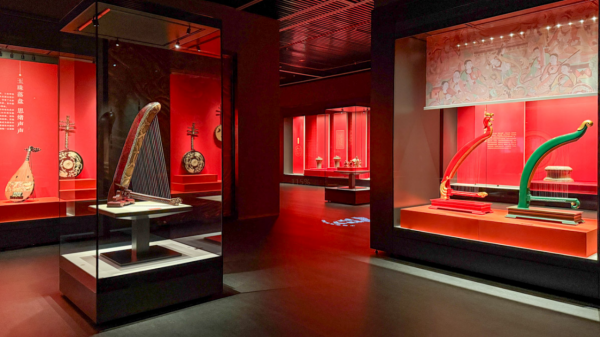
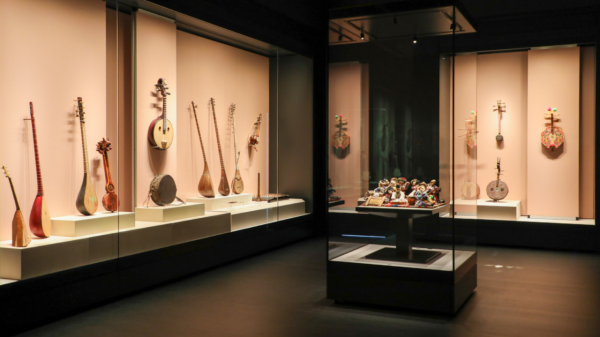
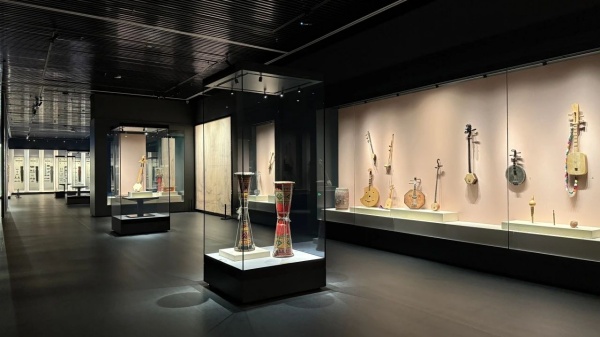
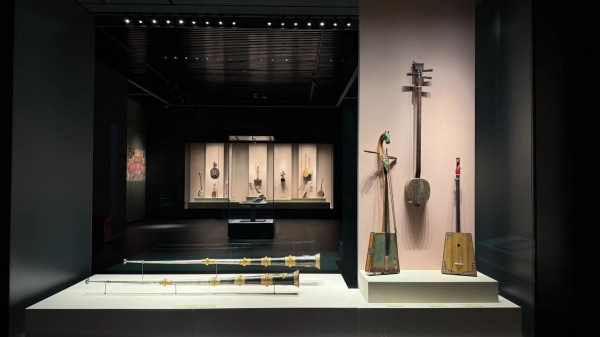
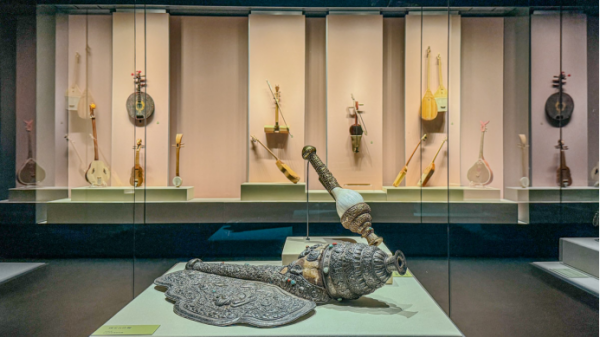
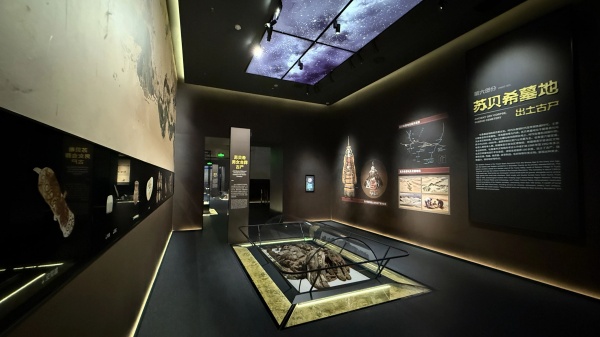
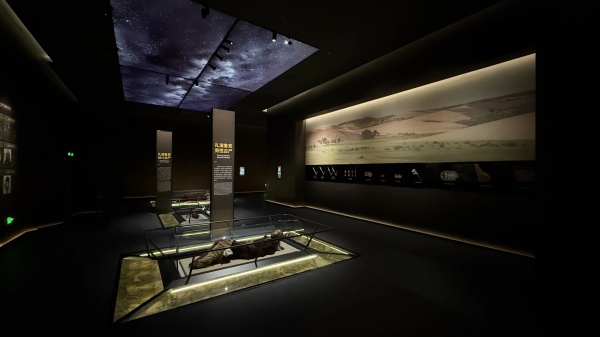
On July 13th, two major special exhibitions, “Splendid China – The Five Stars Rising from the East: Treasures from China’s National Armory” and “Harmony between Heaven and Earth – Ancient Chinese Musical Instruments Exhibition”, were exhibited at the Xinjiang Uygur Autonomous Region Museum. Meanwhile, two basic exhibitions, “Display of Ancient Skeletons Unearthed in Xinjiang” and “Forever Follow the Party – Thematic Exhibition of Xinjiang’s Revolutionary History”, were upgraded and officially opened to the public. Prior to this, the “New Return to Homeland – Xinjiang Cultural Relics Exhibition during the Kangxi, Yongle, and Qianlong Periods” was launched on July 8th at the Forbidden City Hall. With the five exhibitions fully open, they outlined the civilization trajectory from border governance to national treasure legends, from ancient skeleton codes to red memories.

WANGDA SHOWCASES customized design, supply and installation of all the high-end museum display cases/museum showcases for Museum of Xinjiang Uygur Autonomous Region.


The newly upgraded “Exhibition of Excavated Ancient Corpses in Xinjiang” at the Museum of Xinjiang Uyghur Autonomous Region has constructed an anthropological map of the Western Regions spanning 3000 years through 12 ancient corpse specimens. Due to the relatively strict preservation environment of ancient corpses, in order to create a minimal oxygen and constant humidity environment, at the time of customizing museum display cases/museum showcases for these ancient corpses, on the basis of advanced sealing technology to ensure museum showcases’ air exchange rate ≤ 0.05d-1,  WANGDA SHOWCASES adopted the latest nitrogen protection technology of museum showcase microclimate control system by injecting nitrogen gas to replace air so oxygen is effectively isolated, which suppresses oxidation reactions, maintains dryness to curb microbial growth, and blocks the invasion of external pollutants, as a result, the decay and decay of ancient corpses are delayed.

Professional museum showcase installation for Xi’an Stele Forest Museum by WANGDA SHOWCASES

WANGDA SHOWCASES carries on professional on-site installation of customized museum display cases/museum showcases for Xi’an Stele Forest Museum.

Museum of Forest of Steles, located at No. 15 Sanxue Street, Beilin District, Xi’an City, Shaanxi Province, was founded in 1944 and is the earliest museum established in Shaanxi Province. Its origin can be traced back to the Xi’an Stele Forest, which has a history of over 900 years. The Xi’an Stele Forest was built in the second year of Yuanyou in the Northern Song Dynasty (1087) to preserve the Tang Dynasty’s “Kaicheng Stone Sutra”, “Shitai Filial Piety Sutra”, as well as calligraphy famous steles by Yan Zhenqing, Liu Zongyuan, and others. It was relocated to its current location in the second year of Chongning (1103). Through generations of maintenance and construction, the scale continues to expand, and the collection of stones is increasing day by day. Eventually, a thematic art museum focusing on collecting, researching, and displaying historical steles, epitaphs, and stone carvings was built.


|